
Loma Linda, Redlands
New Garage Door Installation in Loma Linda
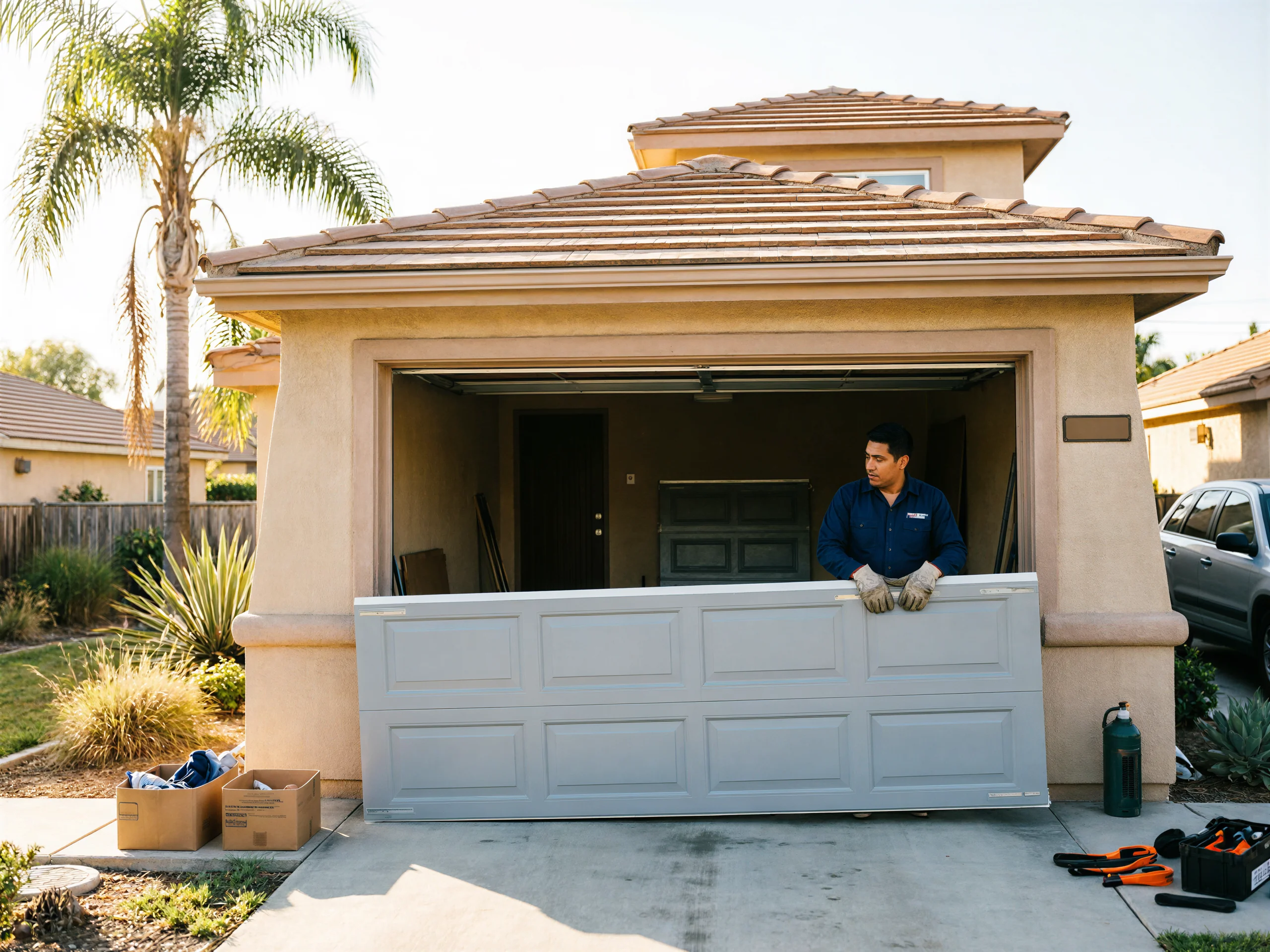
Most Loma Linda garage doors date to the early 1980s, steel and uninsulated, built before today's heat code. We install new ones from Redlands, 4 miles away.
Parts We Carry
Most Loma Linda garage doors going up in the early 1980s were steel, single-layer, non-insulated panels sized for the single-car and two-car openings builders used that decade - usually 16x7 or 9x7, hung on torsion hardware that was never meant to last forty years in full sun.
Consistent openings, standard widths
When we install new, we're not guessing at sizes: the door openings in this stretch of houses run consistent, so we carry steel sectional doors in both standard widths, with and without a polystyrene or polyurethane core, plus the matching torsion springs sized to the actual weight of whichever door goes up.
High-lift track for low headroom
Insulated cores matter more here than in a lot of places, given the heat the panels take across a summer. We also carry standard-lift and high-lift track hardware, since some of these older openings were framed with less headroom than current doors assume.
Carriage-house styles special order
We don't stock every decorative overlay or glass-insert style - if you want a specific carriage-house look, that's a special order and it adds lead time. For a straight steel replacement sized to your existing opening, we're usually working from stock.
What Causes It Around Here
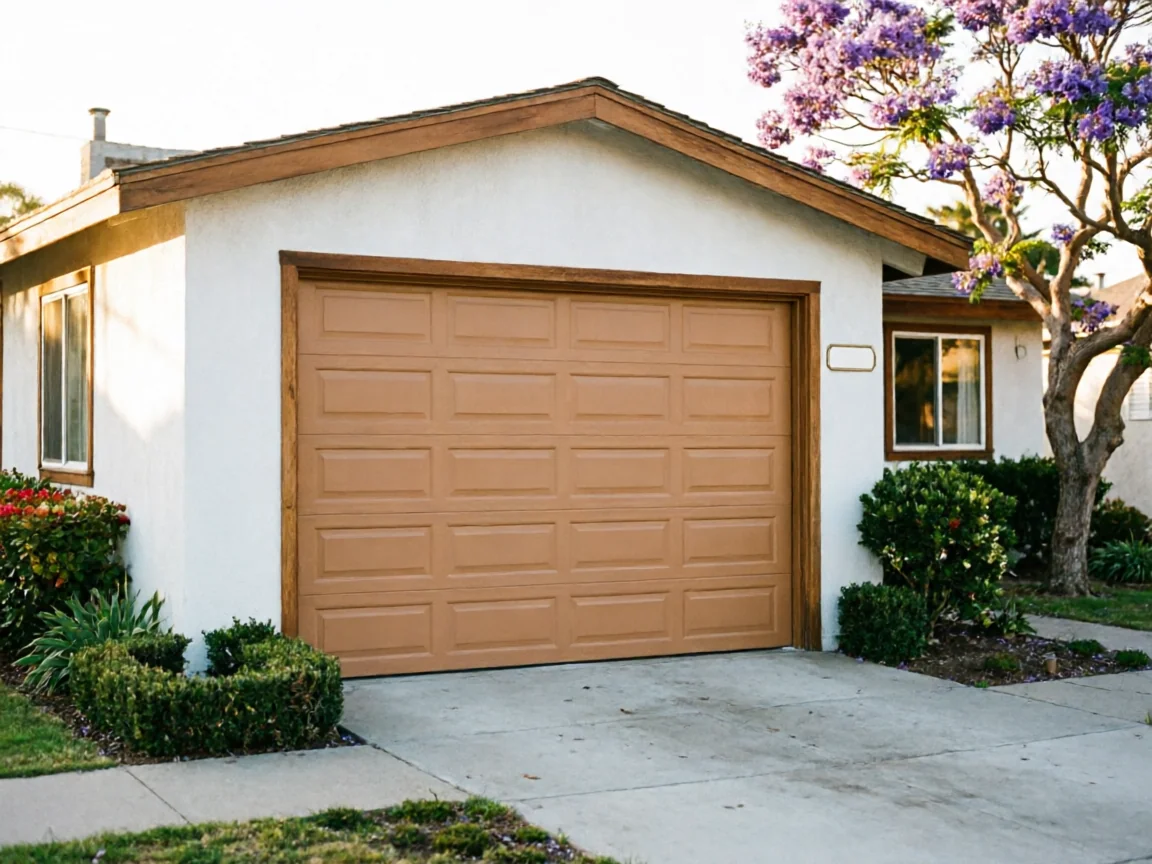
Severe summer heat is the main driver on doors from this era. Steel expands and contracts every single day it sits in full sun, and a door with no insulated core has nothing to buffer that movement - forty years of it is enough to bow a panel that was flat when it went up in 1983. With 9,236 households in Loma Linda, most built within a few decades of each other, a lot of the original torsion springs are hitting that same age wall at roughly the same time, which is why replacement calls tend to cluster rather than trickle in evenly. Add in openers that have outlived their gearing and tracks that were never realigned after the original install settled, and a straight-steel non-insulated door from this period is working harder than it was built for, every day it's out in the heat.
What It Costs
We're not going to put a number here that isn't backed by a real quote - door size, insulation level, spring configuration, and whether the opener comes along all move the price, and guessing at one figure for every Loma Linda house would be a lie dressed up as helpfulness.
Insulation and lift add cost
What we can tell you is what drives the cost on a house like this: an insulated steel door runs more than bare steel, a high-lift conversion adds labor a standard-lift swap doesn't need, and if the original opener is also original to the house, it's worth replacing at the same time rather than mounting a new door on old gearing.
Typical mid-size door choices
At a median household income of $82,824 across this area, most of the installs we price out land in the mid-size insulated steel category rather than the premium carriage-style doors - that's just what gets requested, not a limit on what's available.
The Symptom
The giveaway on a house this age usually isn't one dramatic failure - it's a door that's gotten heavy to lift by hand, or an opener that strains and groans on the way up when it used to be quiet. On the original steel panels from the early 1980s, heat cycling over the years shows up as a slight bow across the middle section, visible if you sight down the door from the side. Rust starts at the bottom panel seam first, where moisture sits longest. If the door has started dropping fast on the way down, or won't stay put when you stop it halfway, that's the torsion spring giving out - original to the house, in most cases, meaning it's been under tension for the entire life of the door. None of that means the opener is broken. It usually means the door and spring it's lifting were never built for this many decades of heat.
How We Fix It
We start by measuring the actual opening, not trusting what a 1983 spec sheet says it should be - four decades of settling and prior repairs change things.
Replace old spring with door
We pull the old door and the old torsion spring together, since running a new door on an old spring sized for a different panel weight is how you end up back here in a year. New track gets set to plumb, the spring gets sized to the new door's actual weight, and the opener - if it's getting replaced too - gets matched to the new door's travel distance, not reused blind.
Balance tested before power
We test full-cycle balance by hand before we ever plug the opener back in: a door that doesn't hold position halfway open on its own has a spring problem, not an opener problem, no matter what the old opener was doing.
Dozen cycles and reverse checks
Last step is cycling it under power a dozen times and checking the safety reverse. We don't leave until it stops clean, both directions, with the opener doing the lifting correctly rather than fighting a misjudged spring.
How Long You Are Without the Door
We run this job out of Redlands, four miles away, so travel time isn't what sets your schedule - the door itself is. A standard steel replacement, in stock, gets your old door down and the new one hung, balanced, and cycling the same day. What stretches it out is anything outside stock: insulated cores in a size we don't have on the truck, high-lift conversions for an opening with awkward headroom, or an opener swap alongside the door. On a straight swap, the house isn't open and exposed overnight - the old door comes down and the new one goes up in the same visit. If parts have to be ordered first, we'll tell you that before the truck leaves Redlands, not after we've pulled your old door off its track.
Questions
Common questions
How far out is Loma Linda for a same-day install?
We run the job out of Redlands, about four miles away, so the drive isn't the limiting factor - stock is. If your door and spring size are on the truck, the old one comes down and the new one goes up the same visit.
Do you insulate the new door, or just match what's there?
Most houses in this area originally got a bare steel, non-insulated panel. We'll put one of those back up if that's what you want, but given the summer heat here, most owners choose an insulated core this time around - it's worth asking about before you decide.
Is my original torsion spring safe to reuse with a new door?
No. A spring sized for the old door's weight won't balance a new one correctly, even if the new door looks similar. We replace the spring with every new door install, sized to the actual weight of what's going up.
Why does my 1983 door bow in the middle?
Years of direct heat expanding and contracting bare steel with no insulated core behind it. It's common on original doors from this build era and it's one of the clearest signs the door is due for replacement rather than another repair.
Explore more
More Services in Loma Linda
Garage Door Repair
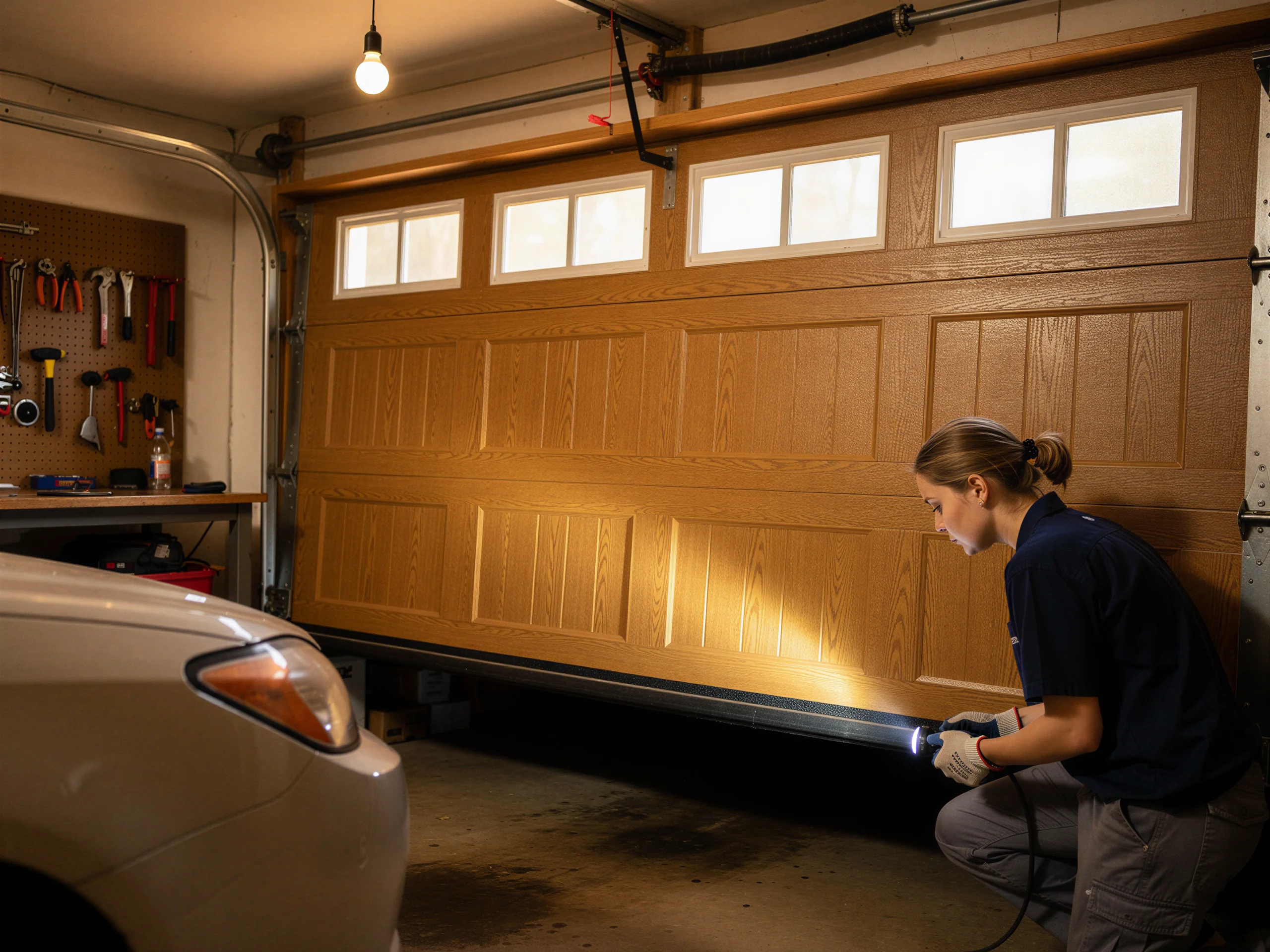
Loma Linda homes built around 1983 face aging springs and openers in severe summer heat. Learn more →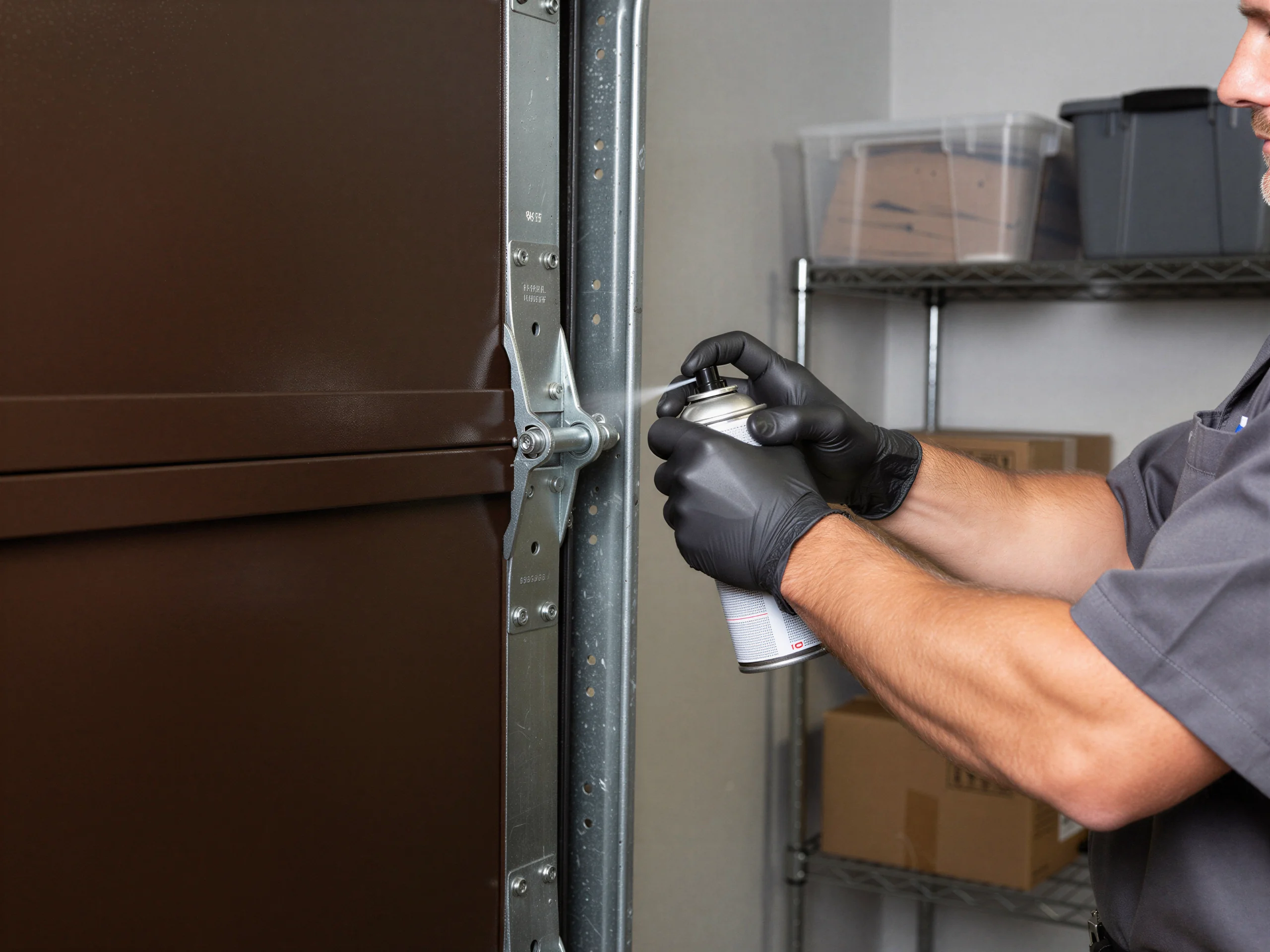
Garage Door Service
Most Loma Linda garage doors date to the early 1980s build-out. Learn more →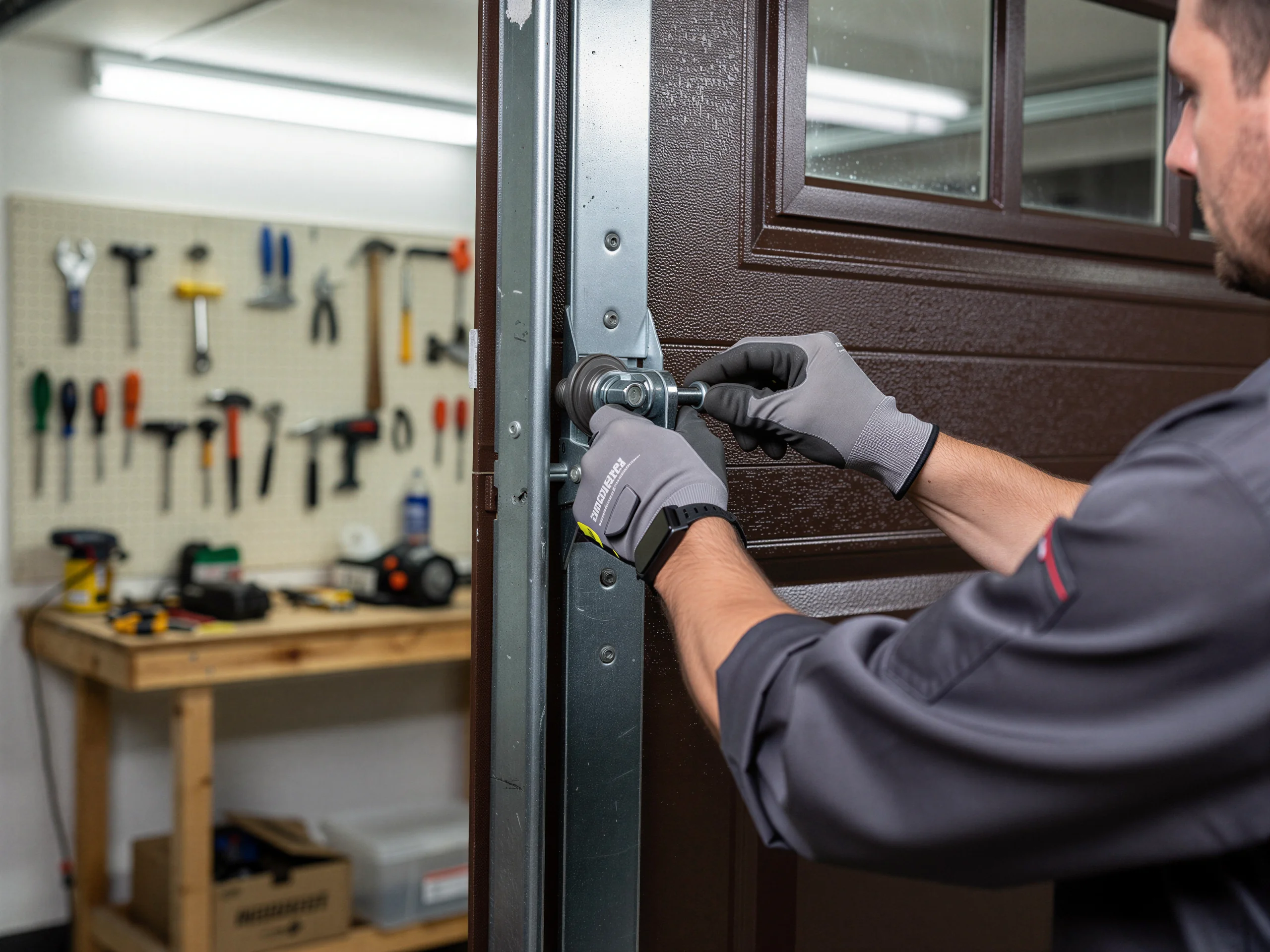
Off Track Repair
Loma Linda homes built around 1983 use lightweight steel doors on roller hardware that slips track easily. Learn more →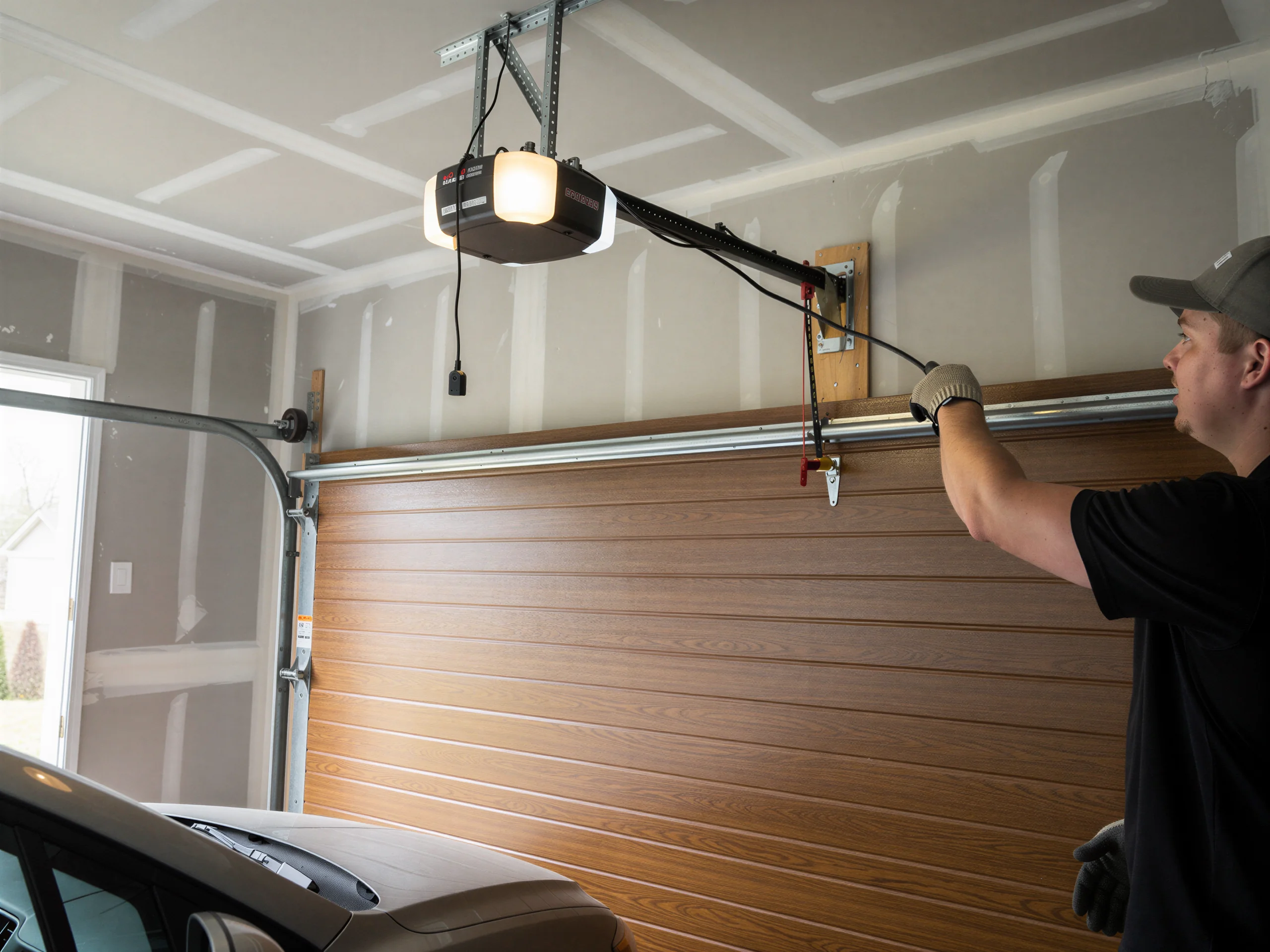
Opener Installation
Opener installation for Loma Linda homes built mostly in the early 1980s, serviced from four miles away in Redlands. Learn more →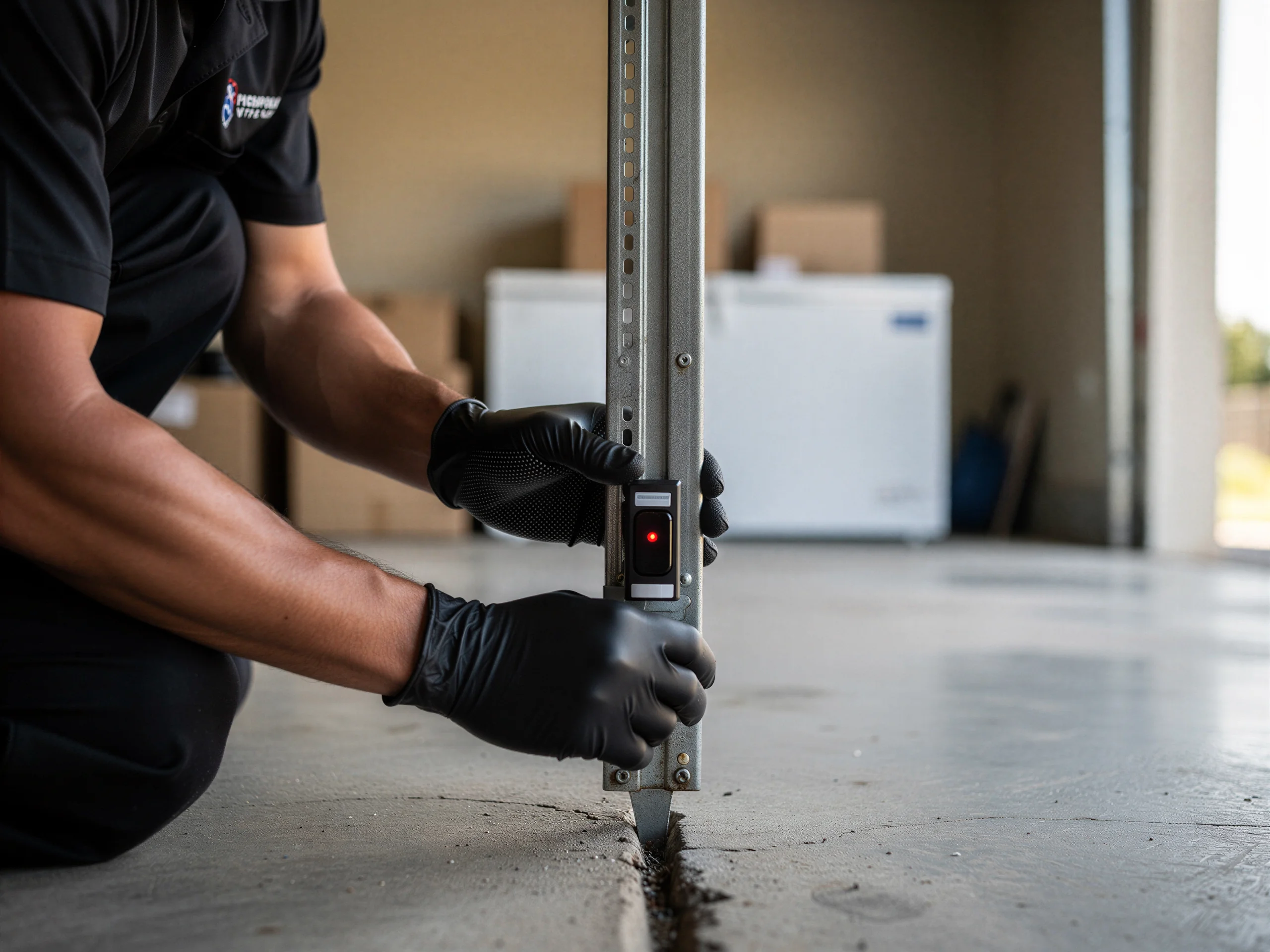
Opener Repair
Loma Linda has about 9,236 households and opener hardware mostly from the 1980s and 90s. Learn more →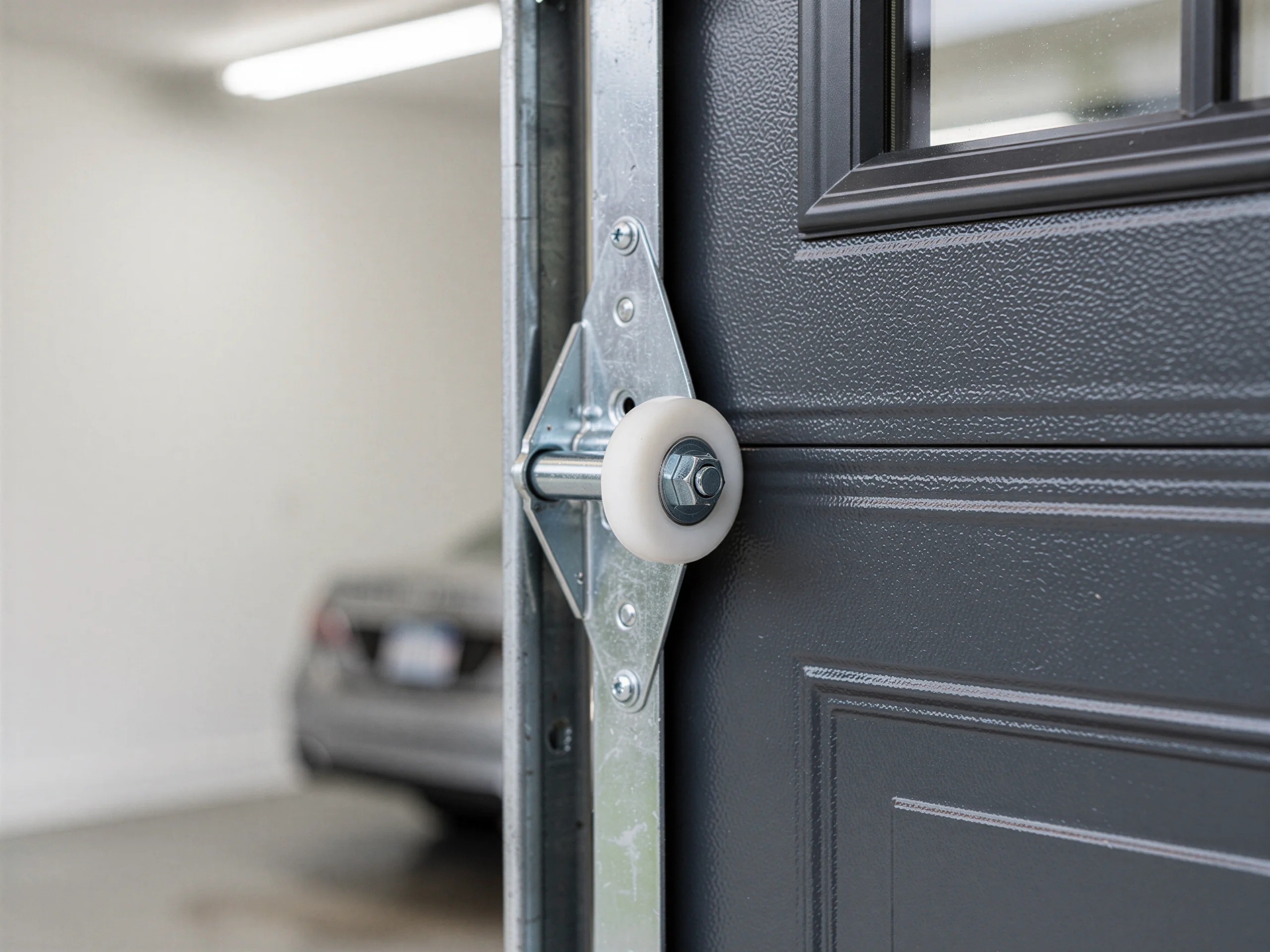
Roller Replacement
Roller replacement for Loma Linda's early-1980s garages, done by a Redlands crew that drives the 4 miles out. Learn more →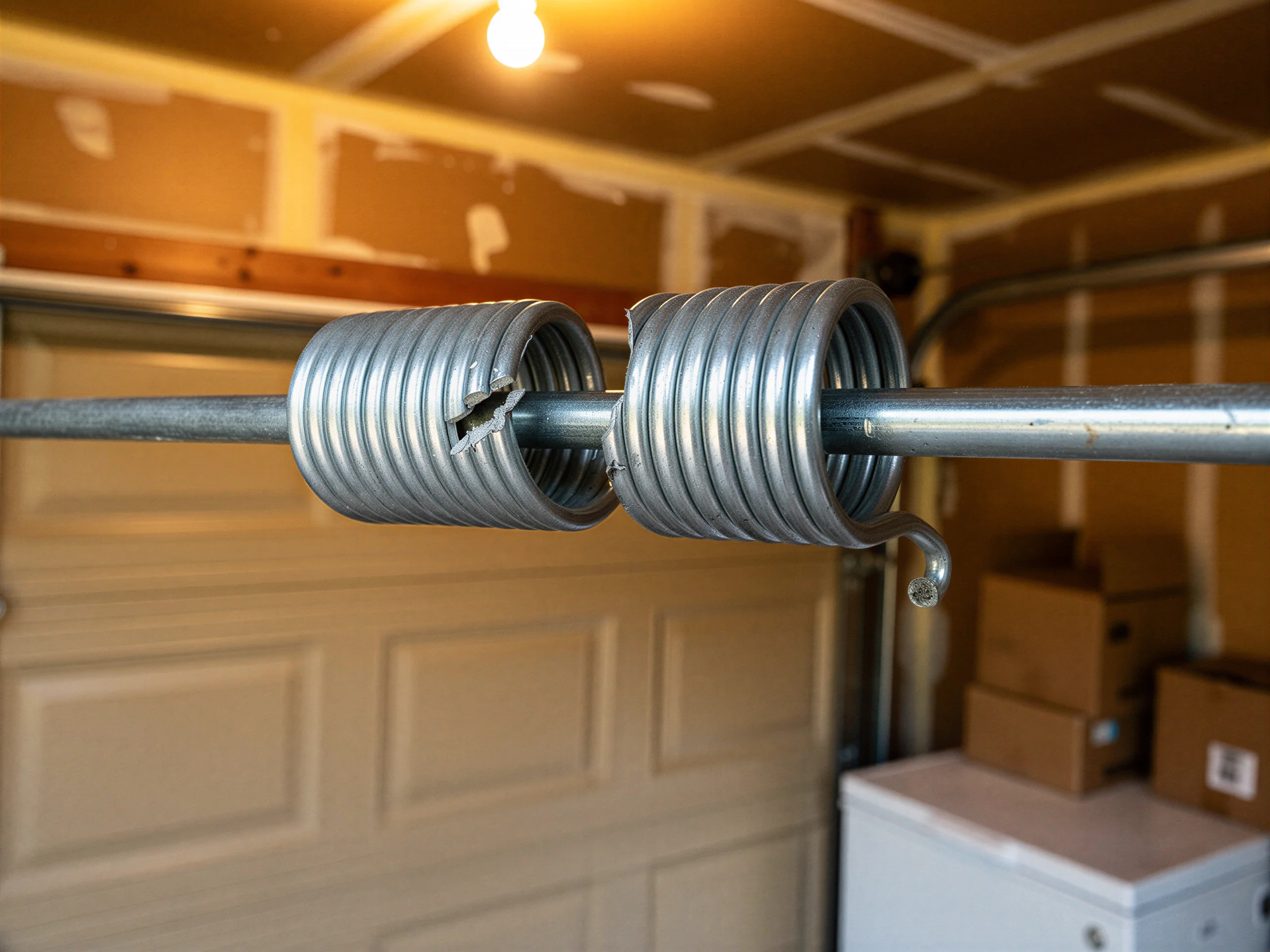
Spring Repair
Loma Linda homes mostly went up around 1983, a few years past Redlands's own 1981 median - enough to shift which spring and drum you'll find behind the panel. Learn more →Ready when you are
Ready for a new garage door in Loma Linda?
Redlands Garage Door Pros repairs and installs garage doors, springs and openers in Redlands, CA and the surrounding area.