
Redlands, CA
Garage Door Opener Installation, Redlands CA
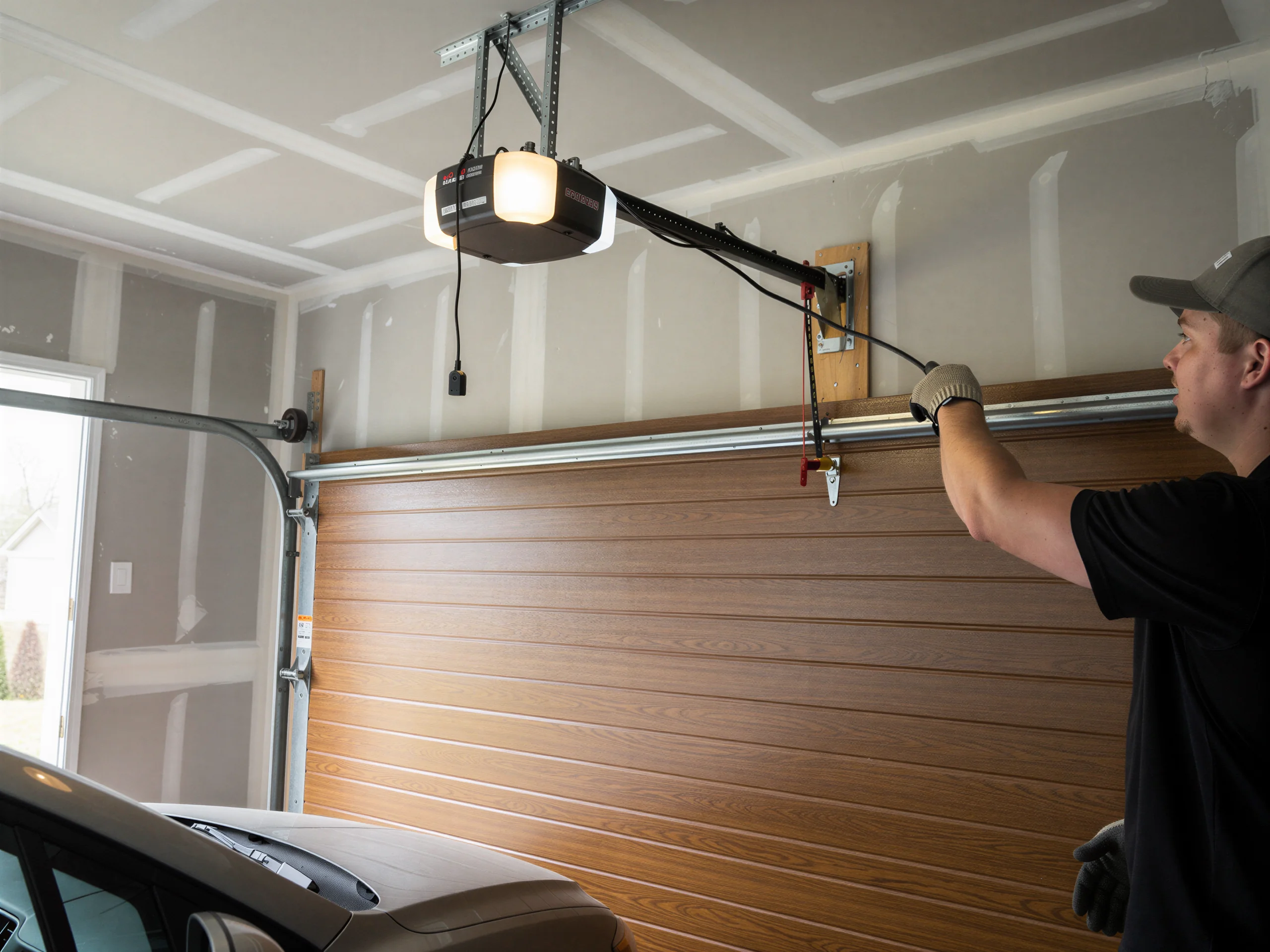
Opener installation and replacement for Redlands homes built mostly 1958-1999, where heat-worn gears and aging circuit boards are the most common opener failures we see.
What Causes It Around Here
Two things line up badly in this service area: the age of the housing stock and the climate. Homes here were mostly built between 1958 and 1999, with the median landing around 1981, and across the 24 communities we cover, most garages still have openers that are either original to the house or a straight like-for-like replacement from decades back. That means a lot of circuit boards and capacitors are well past any reasonable service life at the same time.
On top of that, this stretch of the Inland Empire sits in a severe heat band. Garages here routinely run hotter than the rest of the house in summer, and heat is hard on opener electronics specifically - capacitors dry out faster, motor windings degrade faster, and logic boards that might last fifteen years somewhere milder don't make it that long baking against an uninsulated garage ceiling. We see this pattern across the service area's 109,073 owner-occupied houses: openers failing less from one bad part and more from cumulative heat cycling on components that were never rated for it.
It's not random bad luck when an opener dies in July. It's the predictable end of a part that's been working against the climate for years.
How We Fix It
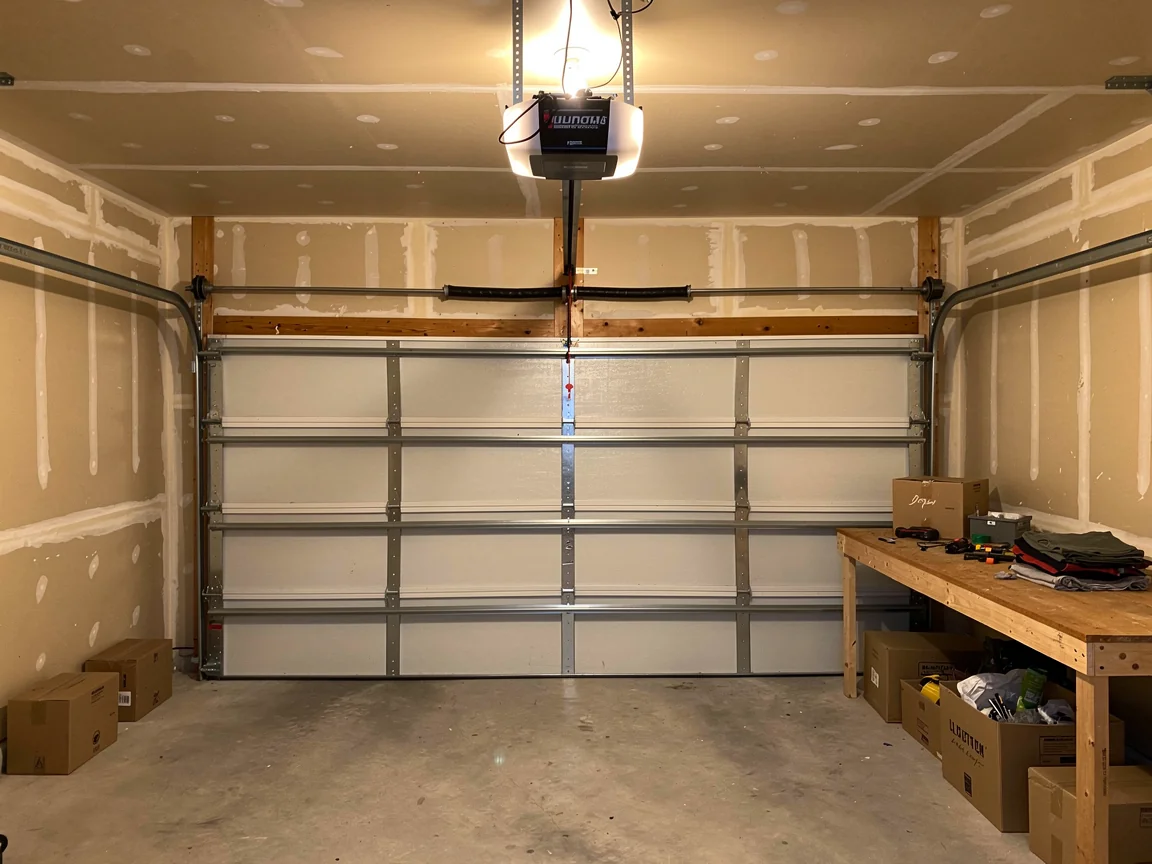
First thing we do is figure out whether it's the opener or the door that's actually at fault, because a heavy, hard-to-lift door will burn out a perfectly good opener motor.
Opener-only fault isolation
If the door moves smoothly by hand when disconnected and the opener still won't run it right, the opener's the problem, and we'll walk you through the options: repair the existing unit if parts are available and the rest of the unit is sound, or replace it outright if it's an older chain-drive unit near the end of its run anyway.
Drive type fits the garage
For installation, we match the drive type to what you actually want day to day - chain-drive is fine for a detached garage, belt-drive if the garage sits under or next to living space and quiet matters. We set the force and travel limits properly rather than leaving factory defaults, which matters more here than people think, since a door that's heavier from age or warped rail needs real adjustment, not a stock setting.
Exact-match part availability
One honest limitation: if your opener model is old enough, we may not be able to get an exact-match part, and a full unit swap is the only real fix. We'll tell you straight when that's the case instead of chasing a repair that won't hold.
What It Costs
We're not going to put a number here that we can't stand behind on your driveway. Opener installation cost depends on what you're replacing, whether your existing track and door are in good shape, and what drive type you want - chain, belt, or screw.
Collateral damage from failures
A straight swap onto hardware that's already sound is a different job than one where the opener failure took out a bracket or a section of rail with it. What we can tell you: across this part of the Inland Empire, most homes going up for an opener swap are houses built between 1958 and 1999, with a lot of that stock from the 1980s and 90s.
Original opener age matters
That means the opener coming out is usually original or close to it - a chain-drive unit with a worn-out motor capacitor, not something installed in the last decade. Replacing a unit that age is usually simpler and cheaper than people expect, because there's nothing exotic to work around.
Repair versus full swap
We'll give you a real number after we look at the door, the header clearance, and what's already wired into the garage. If a repair on your current opener makes more sense than a full replacement, we'll say so - a new logic board can be cheaper than a whole new unit, and we're not going to sell you hardware you don't need.
The Symptom
The opener runs but the door doesn't move. Or it moves a few inches and reverses. Or the motor hums and nothing happens at all.
Early warning signs
Sometimes it's the remote losing range it used to have, or the wall button working only some of the time. These are the early signs before full failure, and homeowners usually call once the door stops responding altogether - often on a day they're already late. A less obvious version: the opener runs fine in the cool morning and struggles by afternoon.
Motor strain, not jam
That's a heat-stressed motor or a circuit board that's past its service life, not a mechanical jam. It's easy to mistake for a spring problem because the door seems heavy, but if the opener itself is straining rather than the door resisting by hand when disconnected, the opener is usually the part at fault.
Lost safety reversal setting
We also see openers that technically still run but no longer hold a safety reversal setting correctly - the door closes and doesn't stop on an obstruction the way it should. That's not a convenience issue, it's a safety one, and it's one of the more common reasons we replace a unit outright rather than patch it.
Questions
Common questions
How do I know if it's the opener or the springs?
Disconnect the opener using the release cord and lift the door by hand. If it's heavy, hard to lift, or doesn't stay open on its own partway up, that's a spring problem, not an opener problem. If it lifts smoothly and evenly but the opener still won't run it, the opener is the issue.
Can you install a new opener on an older door?
Usually, yes. Most doors in this area are from houses built between 1958 and 1999, and the door itself often outlasts several openers. We check the track, header clearance, and door weight before installing, and if the door needs work first we'll flag it rather than bolt a new opener onto hardware that isn't ready.
Why does my opener seem to struggle more in summer?
Heat is hard on opener motors and circuit boards, and this area sits in a severe heat band, so garages run hot for long stretches. A unit that's already older will show strain in summer heat before it fully fails - that's usually the early warning sign, not a separate problem.
Is it cheaper to repair or replace my opener?
It depends on what's gone wrong and how old the unit is. A bad circuit board on an otherwise sound motor is often worth repairing. A unit that's original to a decades-old house is usually past the point where chasing individual parts makes sense. We'll tell you which situation you're in before we quote anything.
Explore more
Explore More Services In Redlands, CA
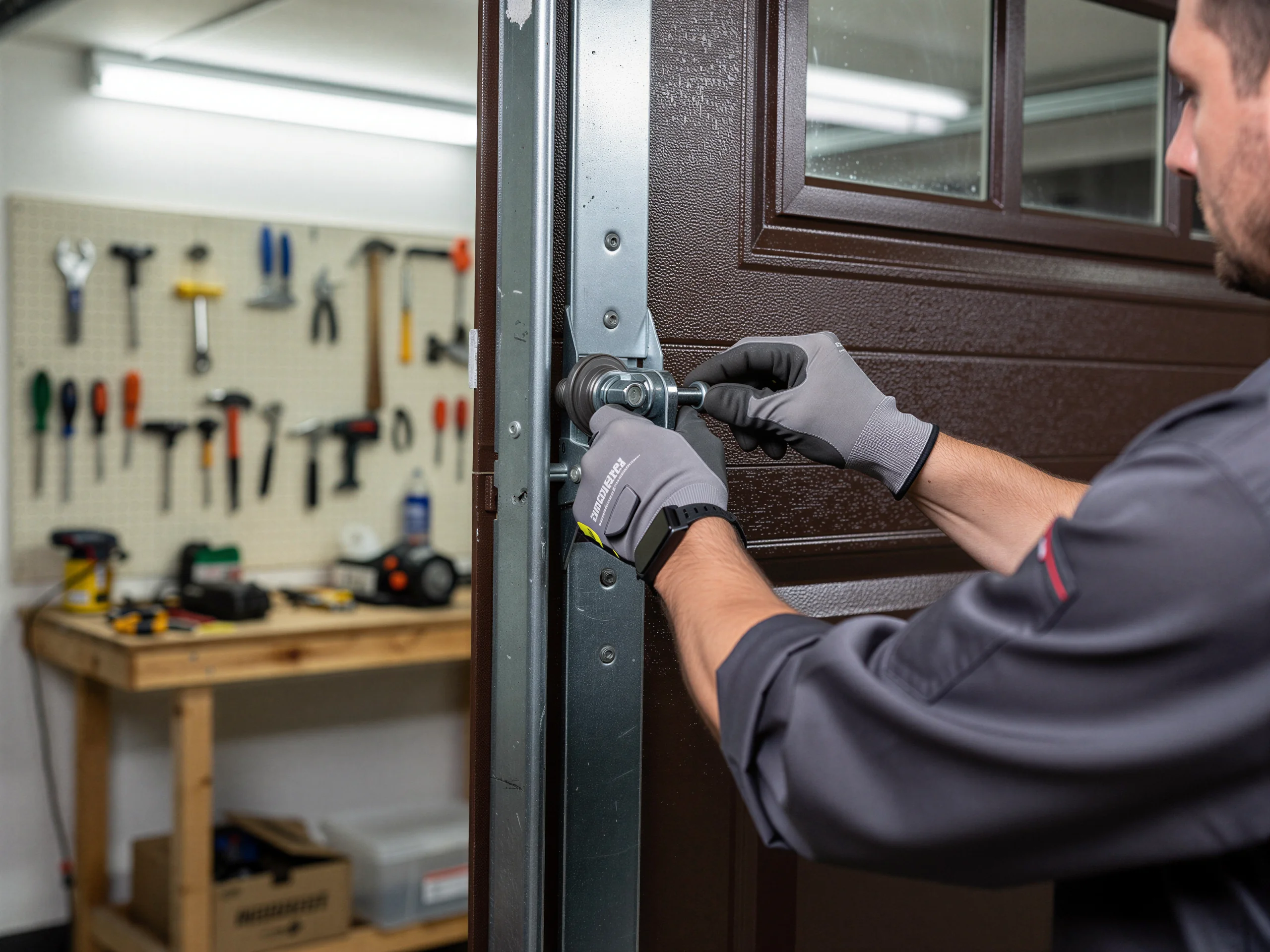
Why Garage Doors Jump Off Track in Redlands Homes
Off track garage doors are common in Redlands' 1958-1999 housing stock under severe summer heat swings. Learn more →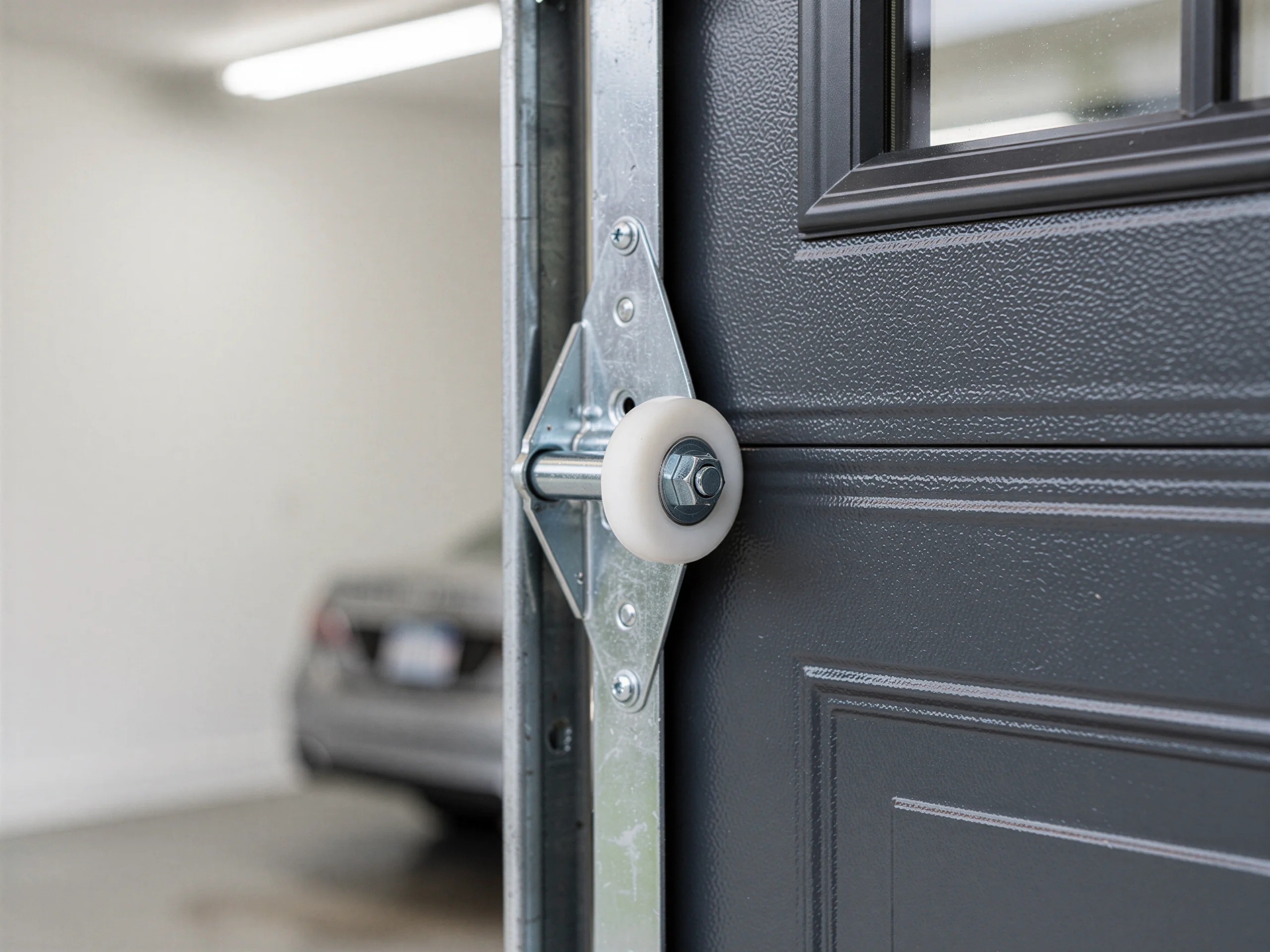
Garage Door Roller Replacement for Redlands Homes
Worn rollers on a 1960s-90s Redlands garage door grind, bind, and jump track in summer heat. Learn more →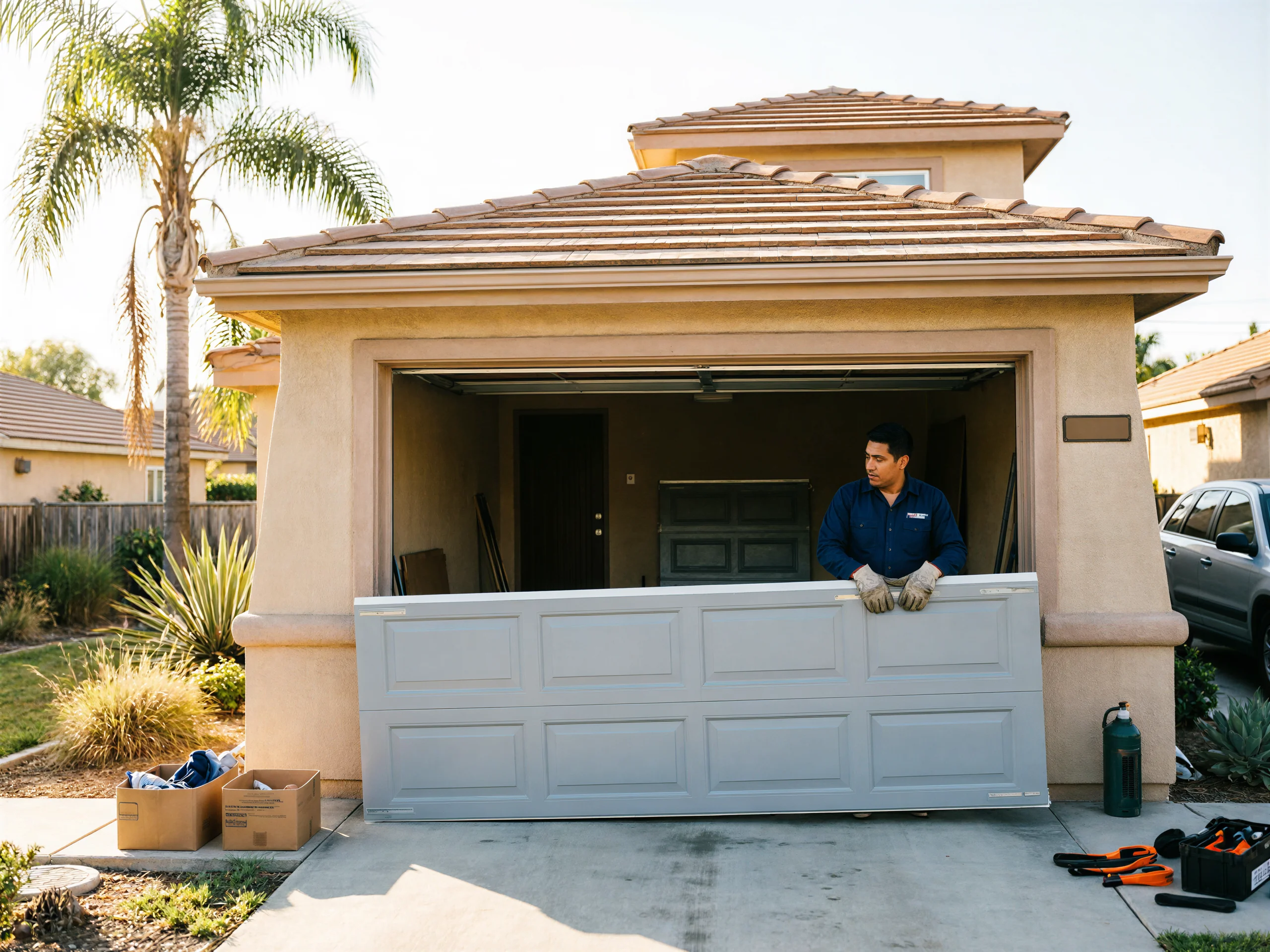
New Garage Door Installation, Built for Redlands Homes
Installing a new garage door in Redlands, CA means matching 1958-1999 housing stock and severe summer heat with the right torsion springs and insulated panels Learn more →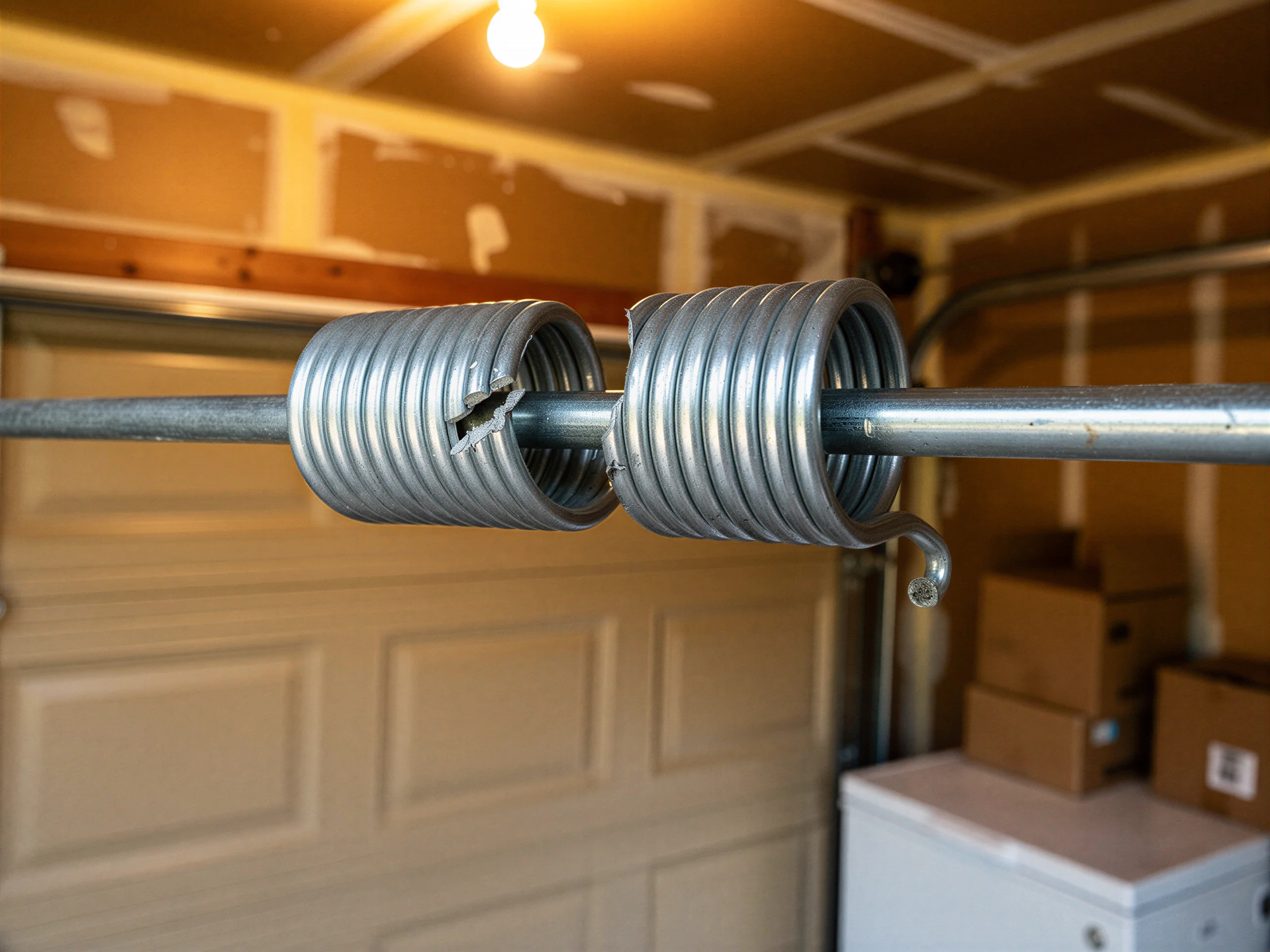
Garage Door Spring Repair in Redlands
Broken torsion spring on a Redlands house built between 1958 and 1999? Learn more →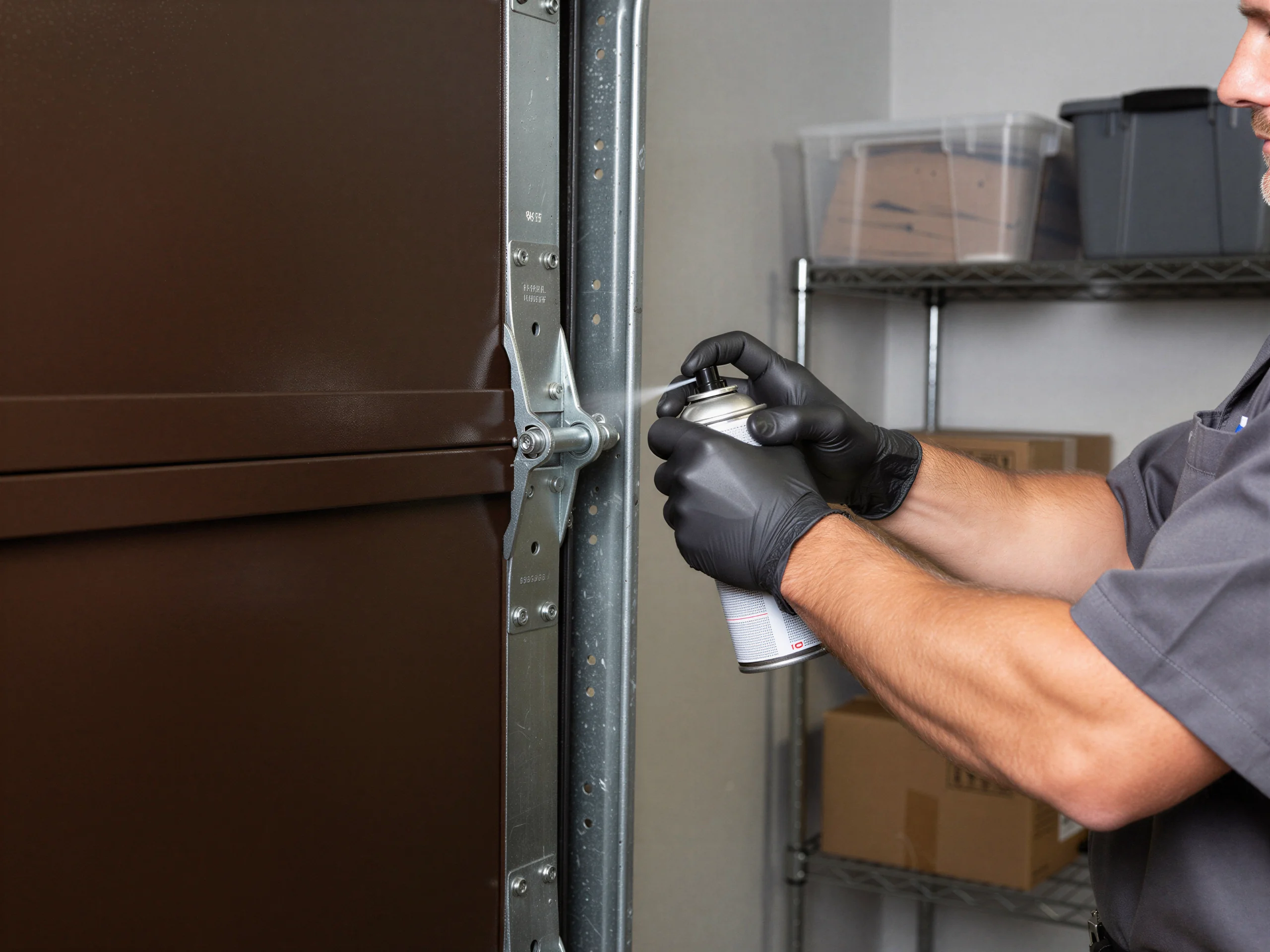
Garage Door Service for Redlands Homes
Garage door service for Redlands homes built 1958-1999, where heat-cycled steel and aging torsion hardware cause most of the calls we run. Learn more →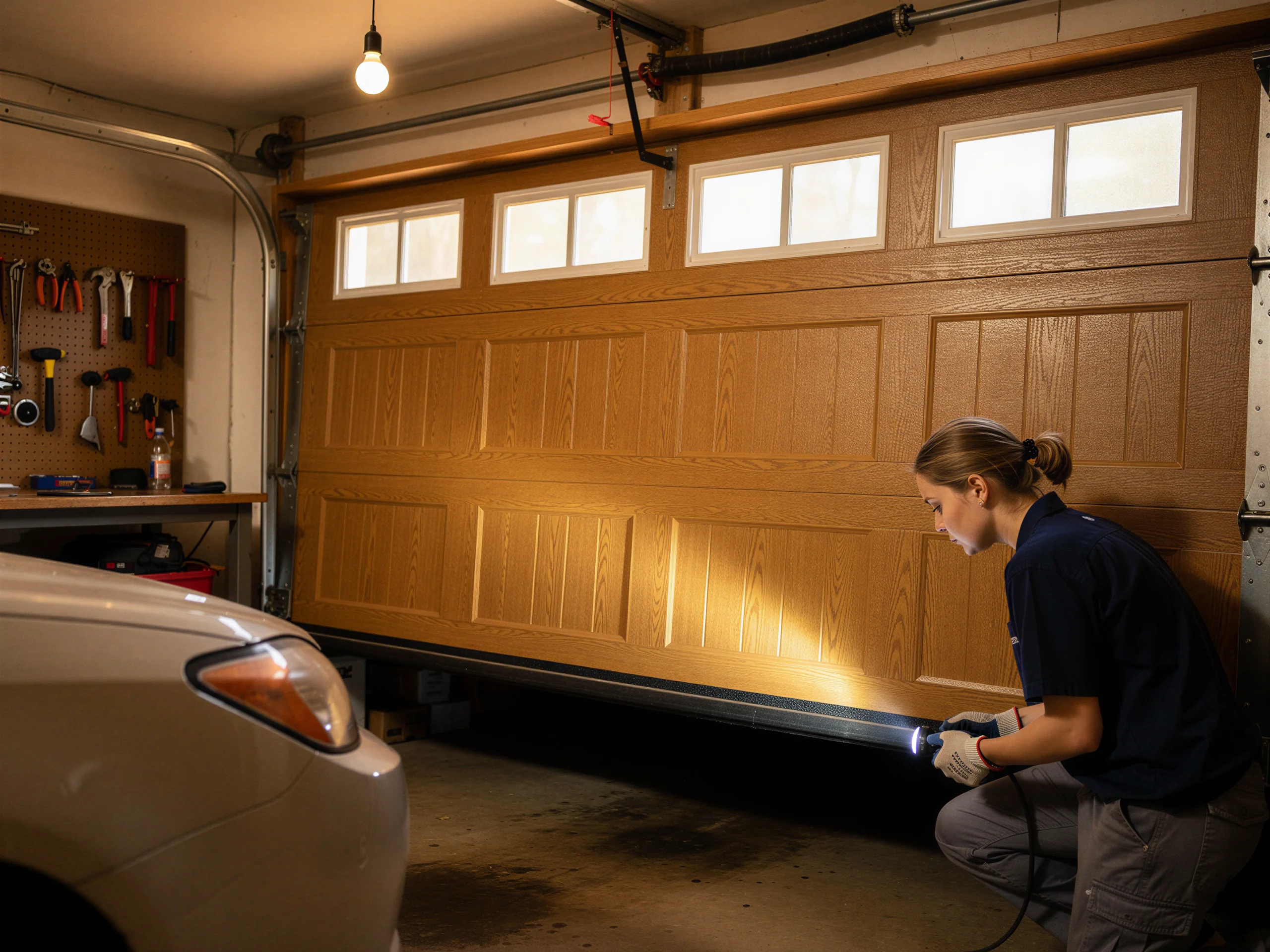
Garage Door Repair in Redlands, CA
Garage door repair in Redlands, CA for homes built 1958-1999. Learn more →Ready when you are
Need a new garage door opener in Redlands?
Redlands Garage Door Pros repairs and installs garage doors, springs and openers in Redlands, CA and the surrounding area.