 Why Redlands Garage Doors Fail the Way They Do
Redlands' housing stock dates mostly to 1958-1999, median 1981, and summer heat here is severe.
What We Actually Check on a Redlands Service Call
A breakdown of what a Redlands garage door service call actually checks, tied to this area's 1958-1999 housing stock and severe heat exposure.
Local detail
The Situation
Most of the houses we get called to in Redlands were built somewhere between 1958 and 1999, with the median landing around 1981. That one fact shapes almost everything about a service call here. A door and opener installed when a house was built in 1981 is pushing 45 years old if nobody's touched it, and a lot of owners haven't touched it, because garage doors don't ask for attention until they fail outright. Across the wider area - Redlands itself, plus nearby Mentone, Highland, and Loma Linda - the housing stock runs the same 1980s-90s era, so the parts problems repeat house to house. We're not dealing with a mix of 1920s carriage doors and brand-new builds. We're dealing with a narrow band of construction years, which means a narrow band of hardware: steel sectional doors, extension or early torsion spring setups, and chain-drive openers that were standard issue at the time. When we show up, we're usually looking at age-driven wear, not a one-off defect.
The area
What Local Conditions Do
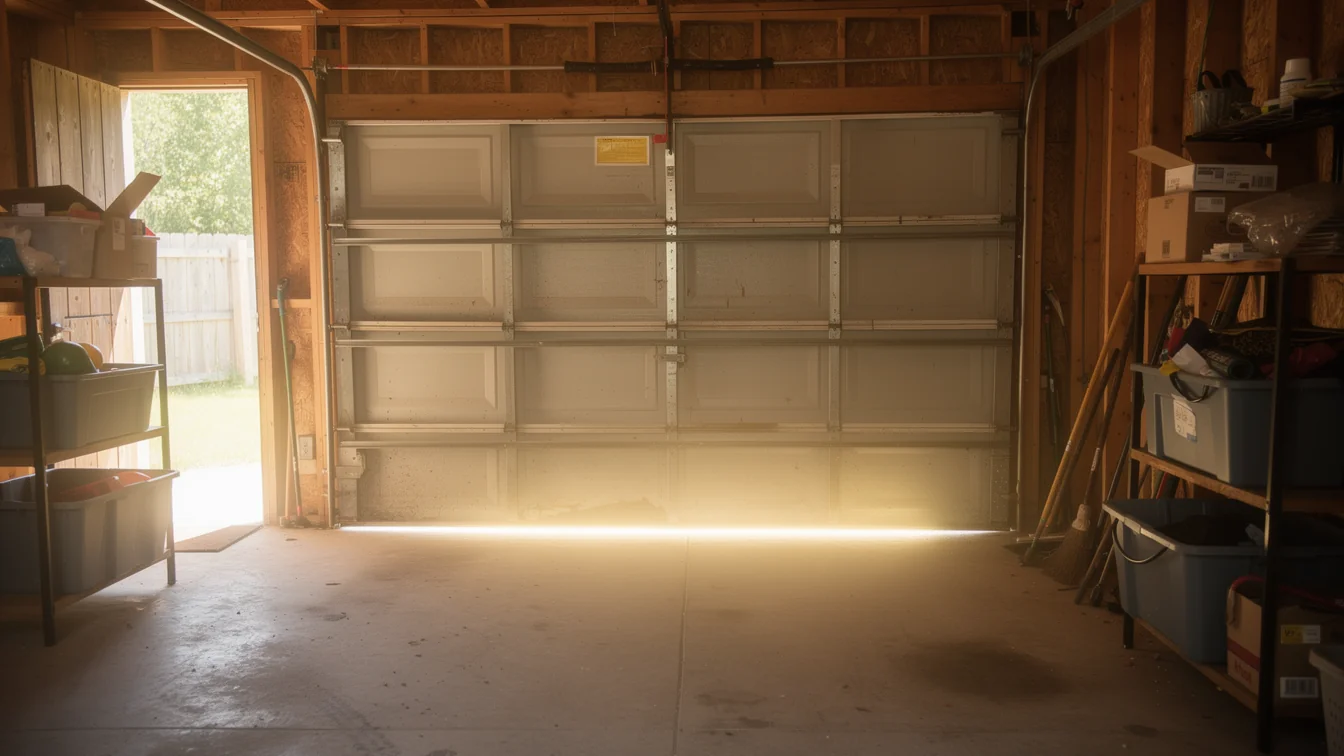
Redlands sits in a severe heat climate band, and heat is harder on a garage door system than most owners expect. Steel panels expand and contract through the day, which stresses the fasteners and track alignment over years of cycling. Nylon rollers and plastic idler bearings - common on doors from the 1980s and 90s - get brittle faster under sustained high heat and start cracking or flat-spotting. Lubricant on hinges and springs breaks down quicker too, so a spring that's rated for a certain number of cycles can wear out its coating and start rusting from the inside sooner than it would in a milder climate. On a service call, we're checking for heat-related wear specifically: brittle rollers, dried-out spring coating, and track brackets that have worked loose from years of metal moving with the temperature. None of this shows up overnight. It shows up as a door that's gotten louder, slower, or harder to open by hand over a couple of summers.
What we find
Checking It Yourself
Before you call anyone, there's a short list you can check without tools. Pull the release cord and try lifting the door by hand - it should move smoothly and stay roughly level without you fighting it. If it's heavy or drops fast, that's spring wear, and it's not a DIY fix; springs under tension are a legitimate injury risk. Look at the rollers while the door moves: on older Redlands-era doors, cracked or chipped nylon rollers are one of the most common things we find, and heat exposure speeds that up. Check the weatherstripping at the bottom for brittleness or gaps - UV and heat break down rubber seals faster here than in cooler climates. Listen for grinding or popping, which usually means a bearing or hinge pin is dry. If the opener motor runs but the door doesn't move, that's a different problem, often a stripped gear, and worth a call rather than guesswork.
How we work
Where People Go Wrong
The most common mistake we see is an owner replacing just the part that failed - a roller, a cable - on a door system that's otherwise original to a house built decades ago. That buys a little time, but on a door from the 1958-1999 build era, the rest of the hardware is usually at a similar point in its life, and the next failure is already close behind. The honest limitation here: we don't always recommend repair. If a door's springs, rollers, and opener are all original and all near end of life, patching one piece isn't always worth the labor versus putting in a new system sized for current hardware. We'll tell you straight when that's the case instead of running up a bill on a door that's going to need the next part in six months anyway. The area's median household income runs around $84,594, and most owners we talk to would rather know the real tradeoff upfront than get nickel-and-dimed on a door that's already near the end.
Questions
Common questions
How old does a garage door have to be before it's not worth repairing?
There's no single cutoff, but if your door and opener are original to a house built in the 1958-1999 range common around Redlands, and more than one major part - spring, rollers, opener gear - is failing at once, repair costs start stacking up fast. We'll look at the whole system on the call and tell you honestly whether patching it makes sense.
Why do garage door rollers crack so often around here?
Redlands sits in a severe heat climate band, and sustained high heat makes nylon and plastic rollers brittle faster than in milder areas. Combined with daily thermal cycling on steel panels, it's one of the most common wear patterns we check for on a service call.
Do you serve areas outside Redlands?
We work throughout the Redlands area, including nearby Mentone, Highland, and Loma Linda. If you're further out, give us a call and we can tell you whether your address is in range.
What's included in a standard service call?
A service call covers inspecting the door's balance, spring tension, roller and track condition, hinge and bearing wear, opener function, and weatherstripping. Given the age of housing stock in this area, we're specifically checking for heat-related wear on top of standard mechanical wear.
Recommendation
You Might Also Like
More garage door guides for Redlands homeowners.
Why Redlands Garage Doors Fail the Way They Do
Redlands' housing stock dates mostly to 1958-1999, median 1981, and summer heat here is severe.
 What That Garage Door Noise Is Actually Telling You
Redlands homes built 1958-1999 run original hardware into extreme summer heat.
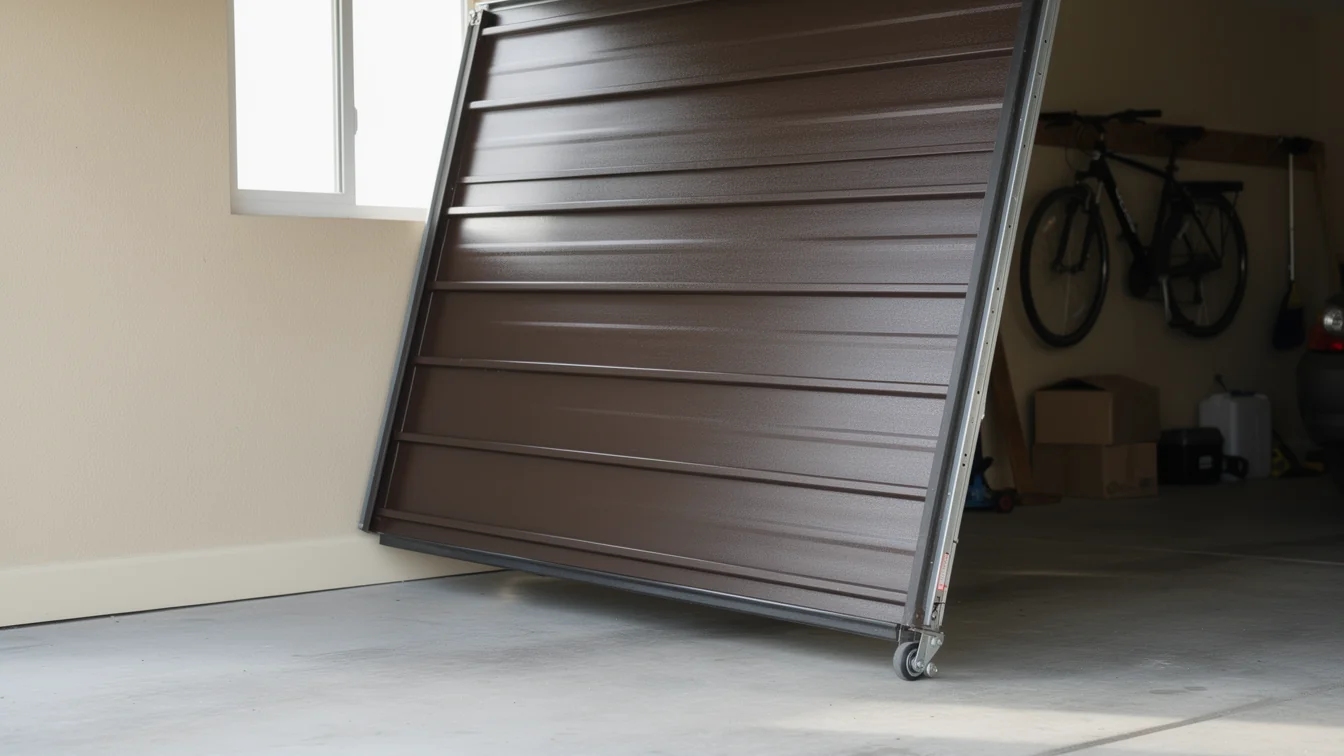 Why a Garage Door Goes Off Track
Redlands homes built mostly between 1958 and 1999 see tracks warp under severe summer heat.
Ready when you are
Need a garage door sorted in Redlands?
Redlands Garage Door Pros repairs and installs garage doors, springs and openers in Redlands, CA and the surrounding area.