
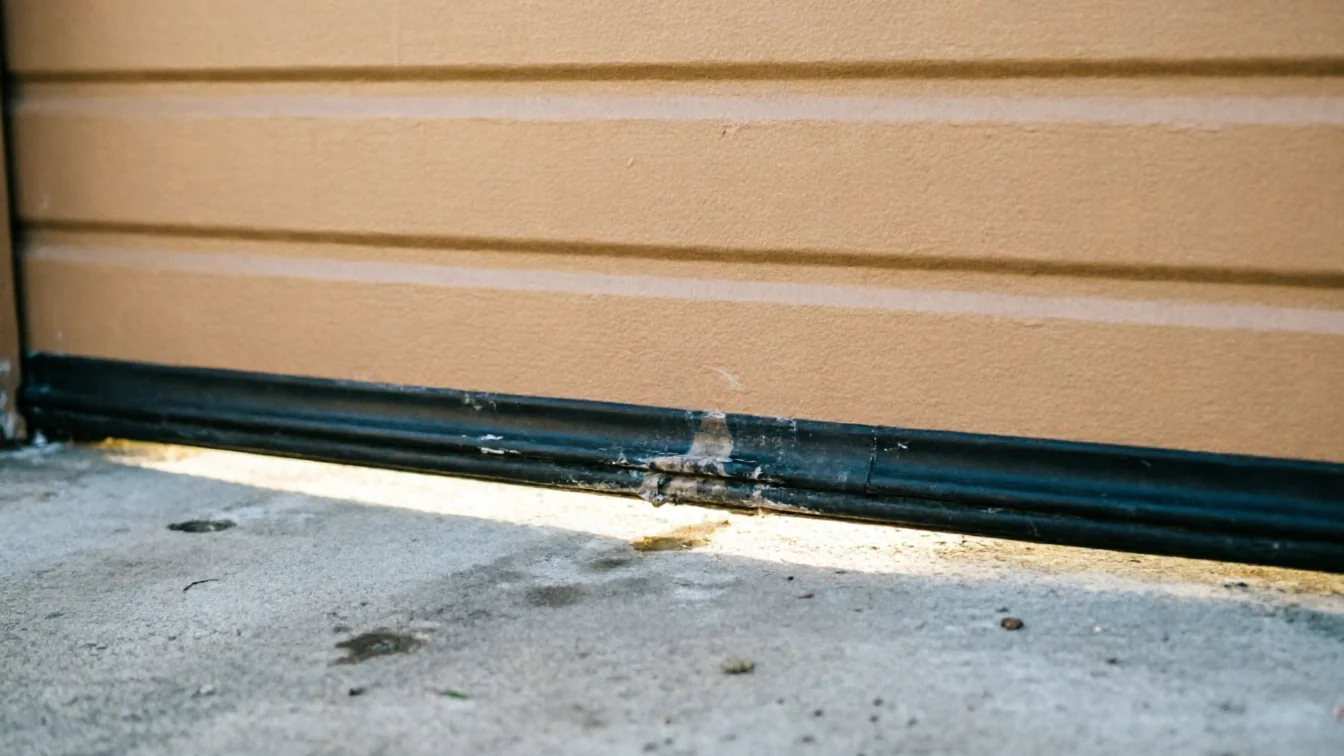
 Why Your Garage Door Leaks Heat in Redlands
Redlands homes built 1958-1999 lose their rubber seals to sun and heat faster than people expect.
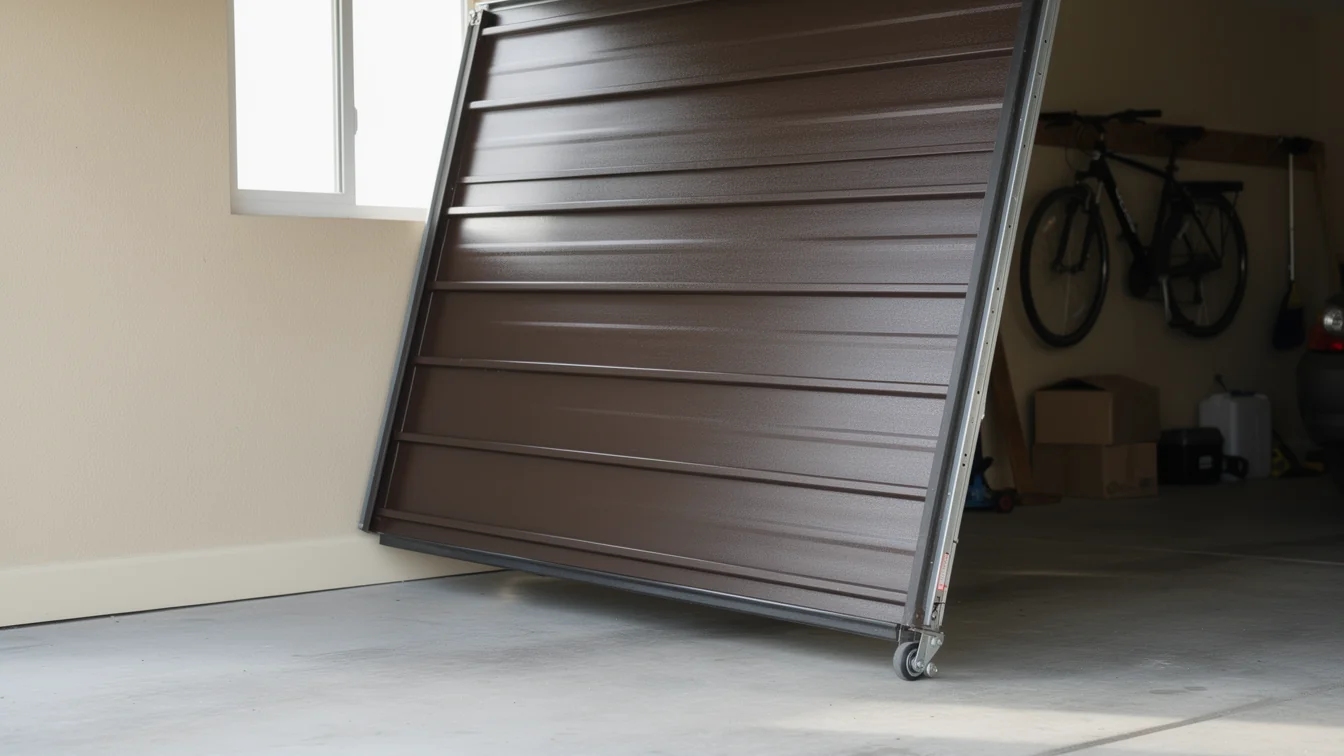
Why a Garage Door Goes Off Track
Redlands homes built mostly between 1958 and 1999 see tracks warp under severe summer heat. Here's what causes it and how to check your own door before it fails.
Local detail
The Situation
If your door has jumped the track, you're not alone - it's one of the most common calls we get from this side of the Inland Empire. A lot of the housing stock here went up between 1958 and 1999, with the median build year sitting around 1981, and that matters more than people think. Doors installed on homes from that era often still run original steel track, sometimes paired with rollers and hardware that have been replaced piecemeal over forty-plus years instead of as a set. A track that was fine for the first two decades starts to show its age once the brackets loosen or a roller finally gives out. Off-track doesn't always mean a dramatic failure. Sometimes it's a door that's run a little crooked for months, scraping one side of the track, until one hard stop knocks a roller clean out of the channel. By the time you notice the gap at the bottom corner or hear the scrape on the way up, the misalignment has usually been building for a while, not happening all at once.
The area
What Local Conditions Do
Redlands sits in a severe heat band, and that heat does real work on a garage door system over the decades, not just on the worst July afternoon. Steel track expands as it heats and contracts overnight, and on a track that's 30 or 40 years old - common given the 1958-1999 build range - the mounting brackets and anchor points have been through that cycle thousands of times. Fasteners back out. Brackets that were torqued down tight when Nixon or Reagan was president loosen a fraction more each summer. The track itself can develop a slight bow where it's been bolted to a wall stud that's shifted with seasonal heat and the occasional settling that comes with older framing. None of this is a single dramatic event. It's cumulative, and it's a different wear pattern than you'd see in a cooler climate where metal doesn't cycle through the same temperature swings day after day. A door that's been fighting a slowly warping track for a decade is already a different repair than one that just needs a new roller.
What we find
Checking It Yourself
Open the door partway and look at the gap between the rollers and the track on both sides - it should be even. If one side has visibly more play than the other, that's often where the problem starts. Run your hand along the horizontal track sections (door closed, power to the opener off) and feel for bolts that spin loose or brackets that flex when you push on them; on a house from the 1980s-90s stock that's common in these neighborhoods, that's usually original hardware doing exactly what forty years of thermal cycling does to it. Check the vertical tracks too, looking for a visible bow rather than a straight line top to bottom. If the door bangs or hesitates at the same spot every time it opens, that's usually the point where the track has gone slightly out of plumb. We're not going to tell you to fix a bent track yourself - track alignment with the door under spring tension is not a DIY repair, and we won't pretend otherwise. But knowing where the problem is before you call saves everyone time.
How we work
Where People Go Wrong
The mistake we see most is someone forcing the door back onto the track with a pry bar or a two-by-four while the opener is still trying to run it. That usually bends the track further or pulls a bracket out of the stud entirely, turning a repair into a replacement. The second mistake is assuming a door that's been off track once is now fine once it's pushed back in. If the underlying cause was a loosened bracket or a warped section from decades of heat cycling, it'll come off again, often worse. And because so much of the housing here dates to the same general era, a lot of homeowners are dealing with hardware that's aged out at roughly the same time as their neighbors' - it's not a sign your house did something wrong, it's just what happens to steel track after forty-plus summers in this climate. We'll be honest that on some of the oldest track systems, replacement is the better call over another round of patch repairs.
Questions
Common questions
Can I push a garage door back onto the track myself?
No. The door is under spring tension even when it looks still, and forcing it back on can bend the track further or snap a cable. If it's off track, leave it where it is and call - trying to muscle it back into place is how a simple fix turns into a full track or panel replacement.
Why does this happen more in summer here?
Redlands sits in a severe heat band, and steel track expands and contracts with the daily temperature swing. On older track - common given how much local housing was built between 1958 and 1999 - that repeated cycling loosens brackets and fasteners over the years, which is what eventually lets the door jump the rail.
Is a bent track always a full replacement?
Not always - sometimes a bracket reset or a section swap solves it. But on track that's original to a house from the 1958-1999 range, we'll usually tell you straight if patching it is throwing money at hardware that's near the end of its life anyway.
Recommendation
You Might Also Like
More garage door guides for Redlands homeowners.
Why Your Garage Door Leaks Heat in Redlands
Redlands homes built 1958-1999 lose their rubber seals to sun and heat faster than people expect.
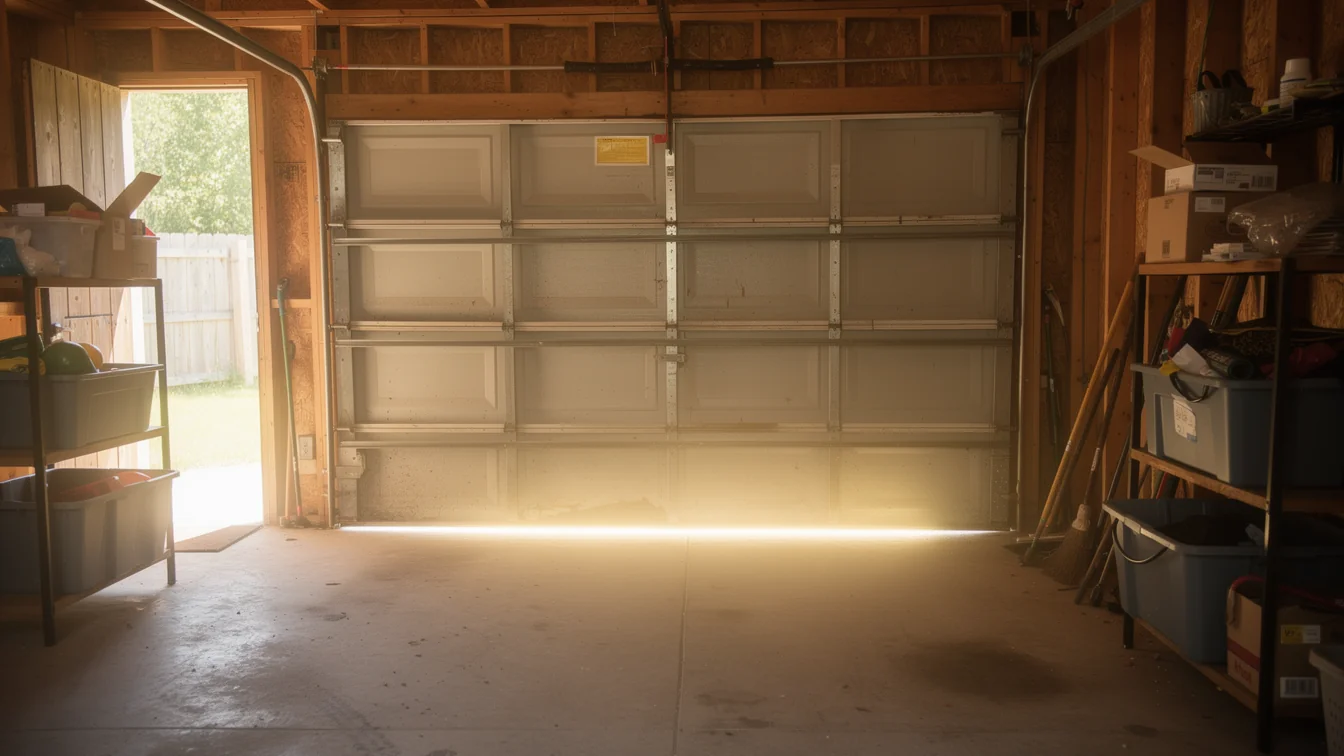 Why Redlands Garage Doors Fail the Way They Do
Redlands' housing stock dates mostly to 1958-1999, median 1981, and summer heat here is severe.
 What That Garage Door Noise Is Actually Telling You
Redlands homes built 1958-1999 run original hardware into extreme summer heat.
Ready when you are
Need a garage door sorted in Redlands?
Redlands Garage Door Pros repairs and installs garage doors, springs and openers in Redlands, CA and the surrounding area.