 What That Garage Door Noise Is Actually Telling You
Redlands homes built 1958-1999 run original hardware into extreme summer heat.
When the Power Drops, Your Garage Door Opener Shows Its Age
Redlands homes built 1958-1999 often run openers with no battery backup. Here's what that means when summer heat and power cuts hit your garage door.
Local detail
The Situation
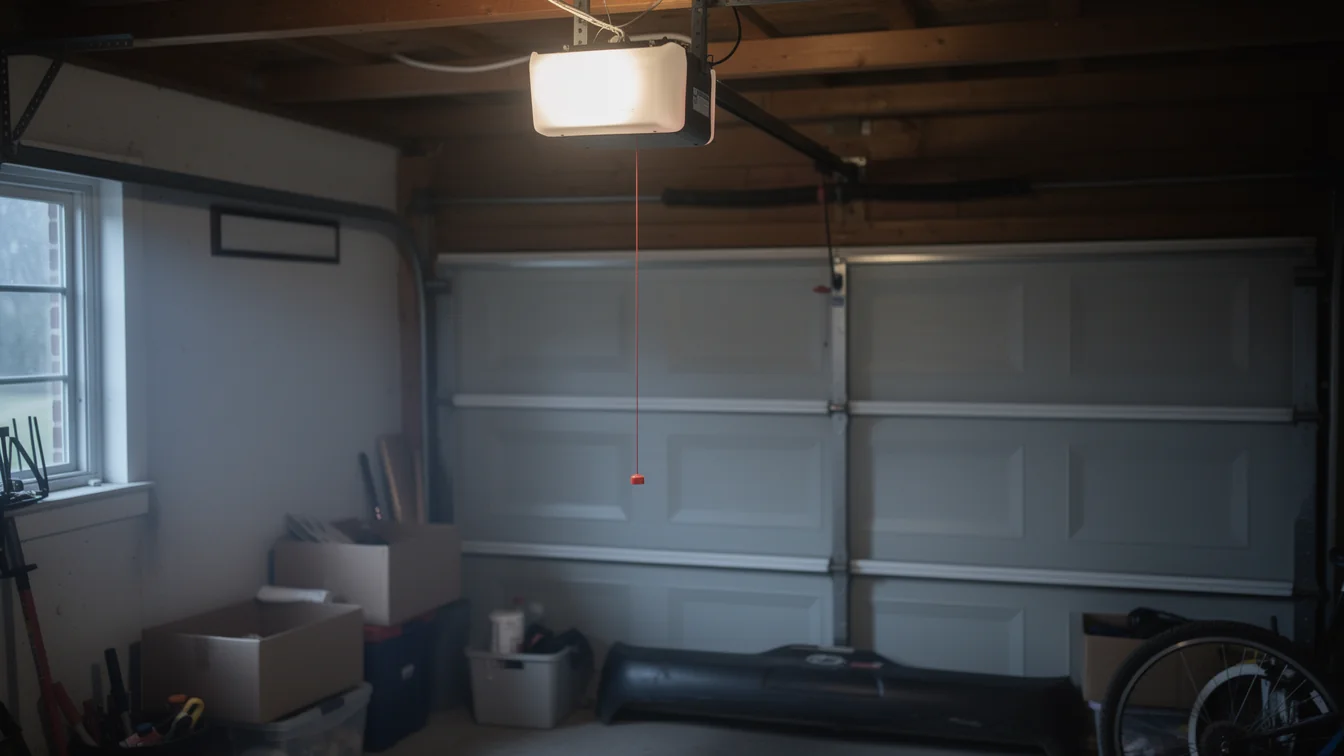
Most houses in this part of Redlands and the surrounding area went up between 1958 and 1999, with the median landing around 1981. That matters for openers more than people think. A door installed when the house was built has likely had its opener swapped once, maybe twice, but a huge share of those replacements were chain-drive units bought before battery backup was standard equipment. If your opener doesn't have a battery pack sitting on the housing, it's almost certainly from that older wave. When the power goes out, that opener does nothing - no light, no motor, no remote. The door still moves, but only if you know how to disconnect it from the trolley by hand, and a lot of owners in homes from this era have never had to find that red release cord.
The area
What Local Conditions Do
Redlands sits in a severe-heat climate band, and that heat is hard on garage door openers specifically, not just the door itself. Motors draw more current when the garage interior is hot, capacitors degrade faster in sustained high heat, and the drive gear on older chain and screw units can bind when the whole assembly has been baking at 100-plus degrees for hours. Heat waves are also when local demand on the power grid spikes hardest, which is exactly when short outages or brownouts are more likely. Put those two things together and you get the worst combination: an opener already stressed by heat, in a house where that opener predates battery backup, losing power on the one day you most need the door to open. None of this is specific to your unit being broken - it's specific to when it was built and what it was built to handle.
What we find
Checking It Yourself
Look at the opener housing for a battery compartment, usually a small door on the side or bottom of the unit near the motor head. If there's nothing there, you're running on wall power only. Next, find the manual release cord - the one with the red handle hanging from the trolley rail - and actually pull it once with the door closed, then reconnect it, just so you know what it feels like before you need it in the dark. Check that the door lifts by hand without real resistance; if it's heavy or uneven, that's a spring or cable issue, not an opener issue, and pulling the release won't fix what's wrong underneath. Also check the wall button and any keypad batteries now, since a dead keypad gets blamed on the opener itself more often than it should.
How we work
Where People Go Wrong
The most common mistake is assuming a new remote or keypad fixes a power problem - it doesn't, because the opener unit itself still has no power source. The second is leaving the manual release disconnected after testing it, which means the opener won't re-engage next time the power's back and the door seems to just stop working. We don't recommend trying to add battery backup to a motor and drive system that's otherwise failing; if the opener is already groaning, overheating, or skipping on its chain, a battery backup kit bolted onto a dying unit is money spent twice. At that point replacement is the better call, not a patch. We're not going to sell a backup battery as a fix for a motor that's already on its way out.
Questions
Common questions
Does my opener need a battery backup if I live in Redlands?
If your opener was installed before battery backup became standard, and a lot of Redlands openers were put in during the 1980s-90s remodel wave, you're running on wall power alone. Given how often summer heat here stresses the grid and the motor at the same time, a backup is worth considering, but it only makes sense on a opener that's otherwise healthy.
Why does my garage door opener struggle more in summer?
Redlands sits in a severe-heat climate band, and heat raises the current draw on the motor while also degrading capacitors over time. If your garage faces west or gets little airflow, the opener housing can sit well above outside temperature for hours, which is harder on an older unit than a newer one.
How do I open my garage door by hand during a power cut?
Pull the red manual release cord hanging from the trolley on the rail - this disconnects the door from the opener so you can lift it yourself. Do this with the door closed if possible. Once power's back, you'll need to reconnect the trolley to the rail for the opener to work again.
Recommendation
You Might Also Like
More garage door guides for Redlands homeowners.
What That Garage Door Noise Is Actually Telling You
Redlands homes built 1958-1999 run original hardware into extreme summer heat.
 Why a Garage Door Goes Off Track
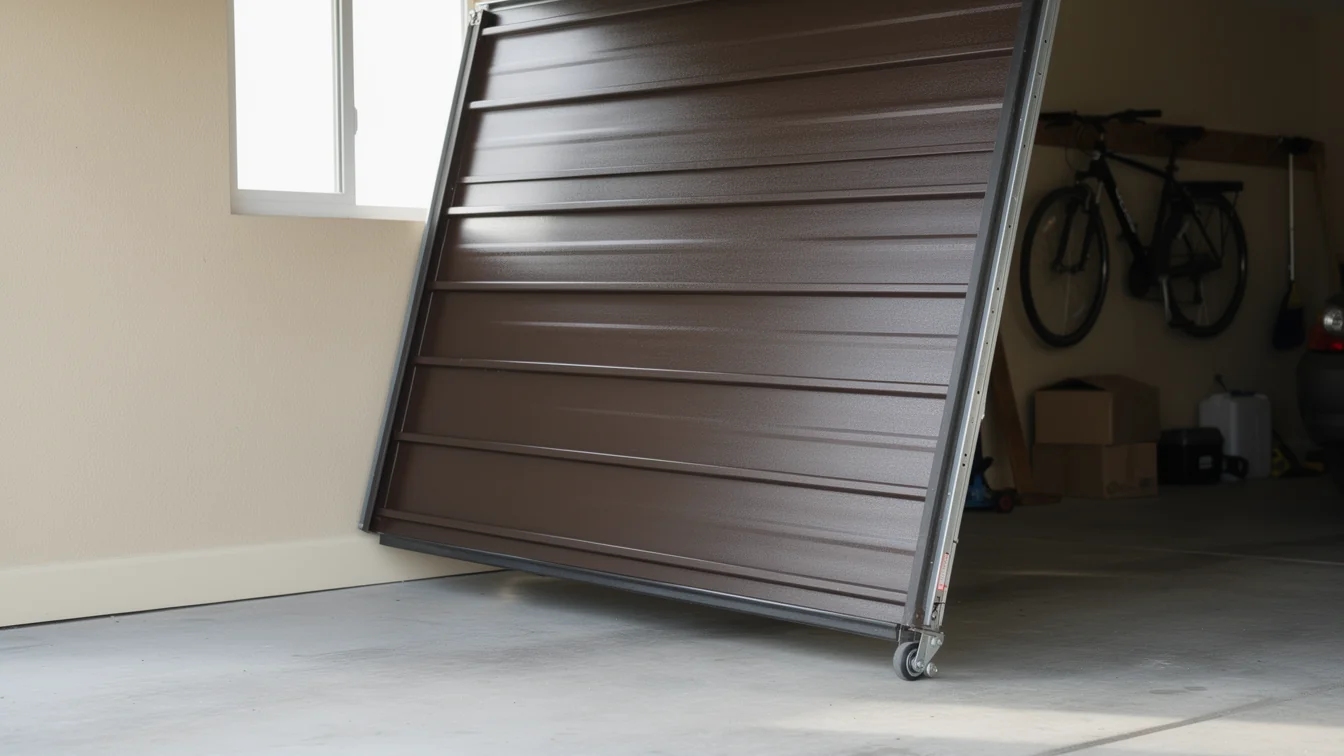
Redlands homes built mostly between 1958 and 1999 see tracks warp under severe summer heat.
 Why Your Garage Door Leaks Heat in Redlands
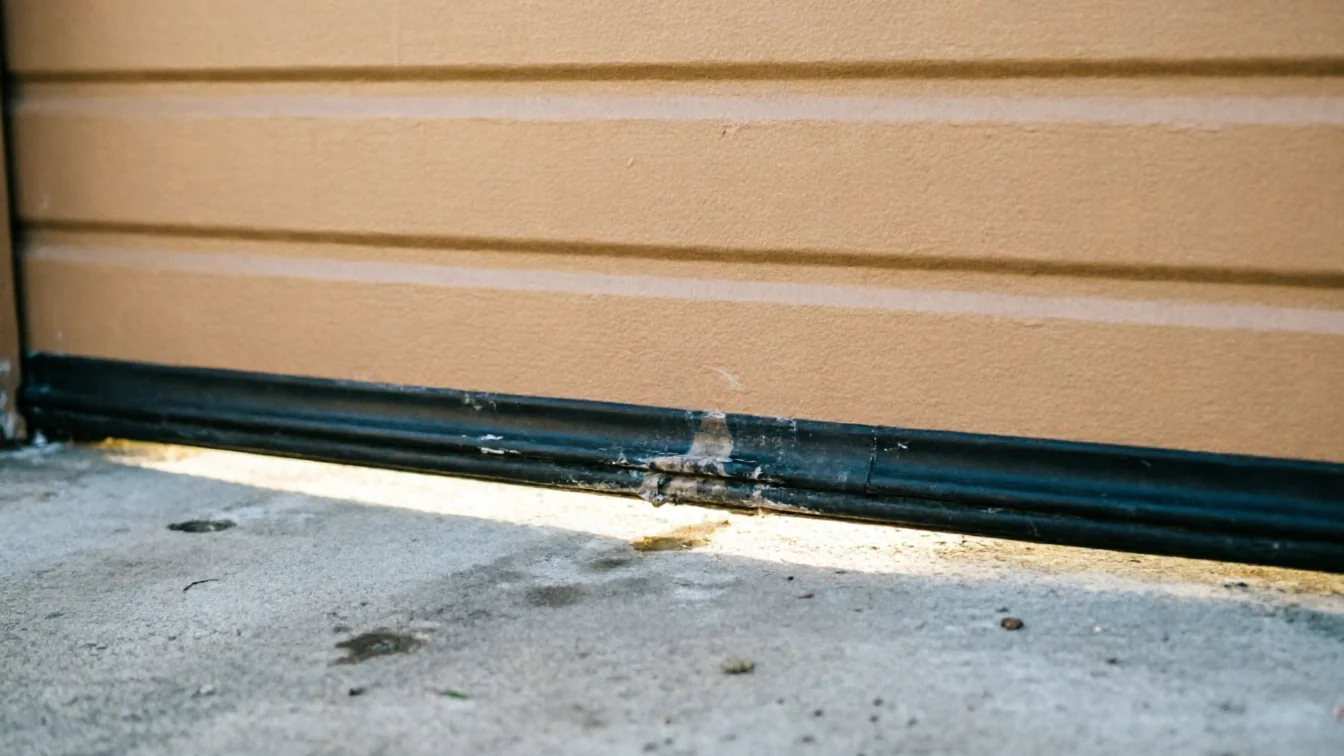
Redlands homes built 1958-1999 lose their rubber seals to sun and heat faster than people expect.
Ready when you are
Need a garage door sorted in Redlands?
Redlands Garage Door Pros repairs and installs garage doors, springs and openers in Redlands, CA and the surrounding area.