
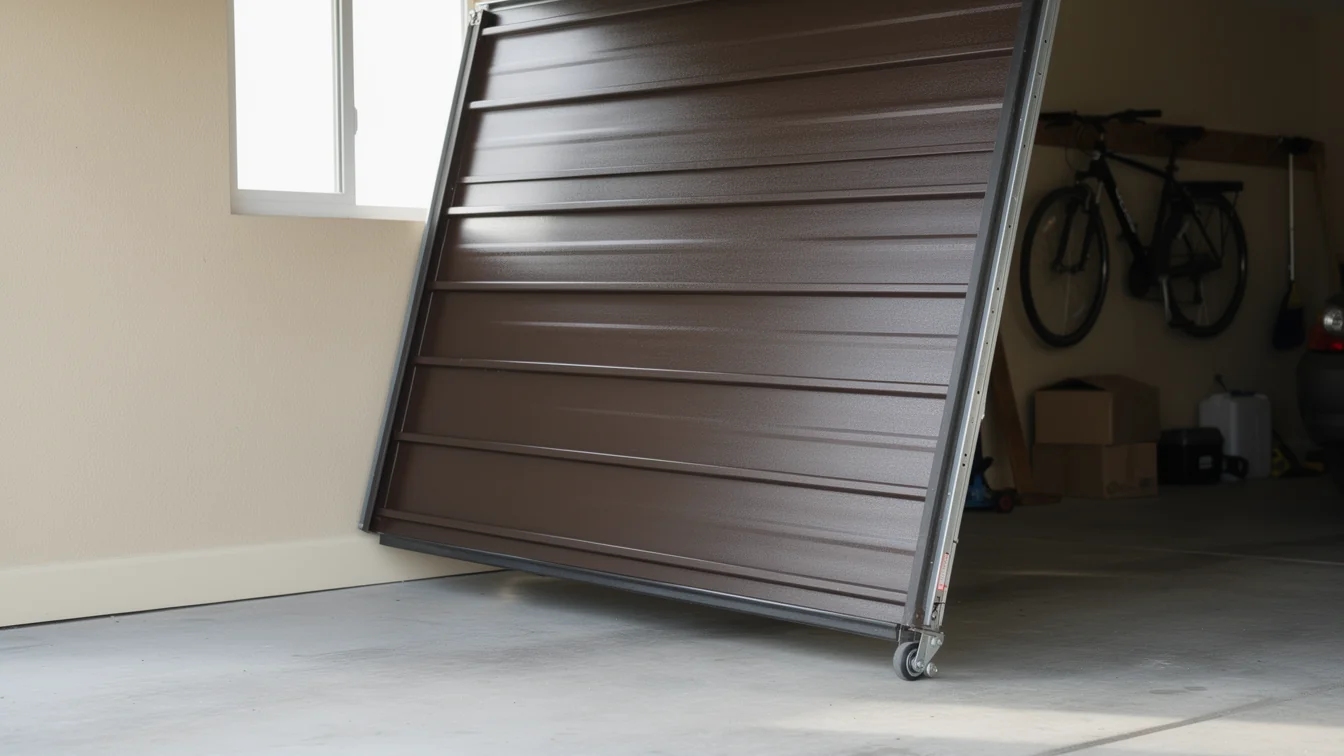
 Why a Garage Door Goes Off Track
Redlands homes built mostly between 1958 and 1999 see tracks warp under severe summer heat.
Why Redlands Garage Doors Fail the Way They Do
Redlands' housing stock dates mostly to 1958-1999, median 1981, and summer heat here is severe. That combination wears garage door hardware in specific, predictable ways.
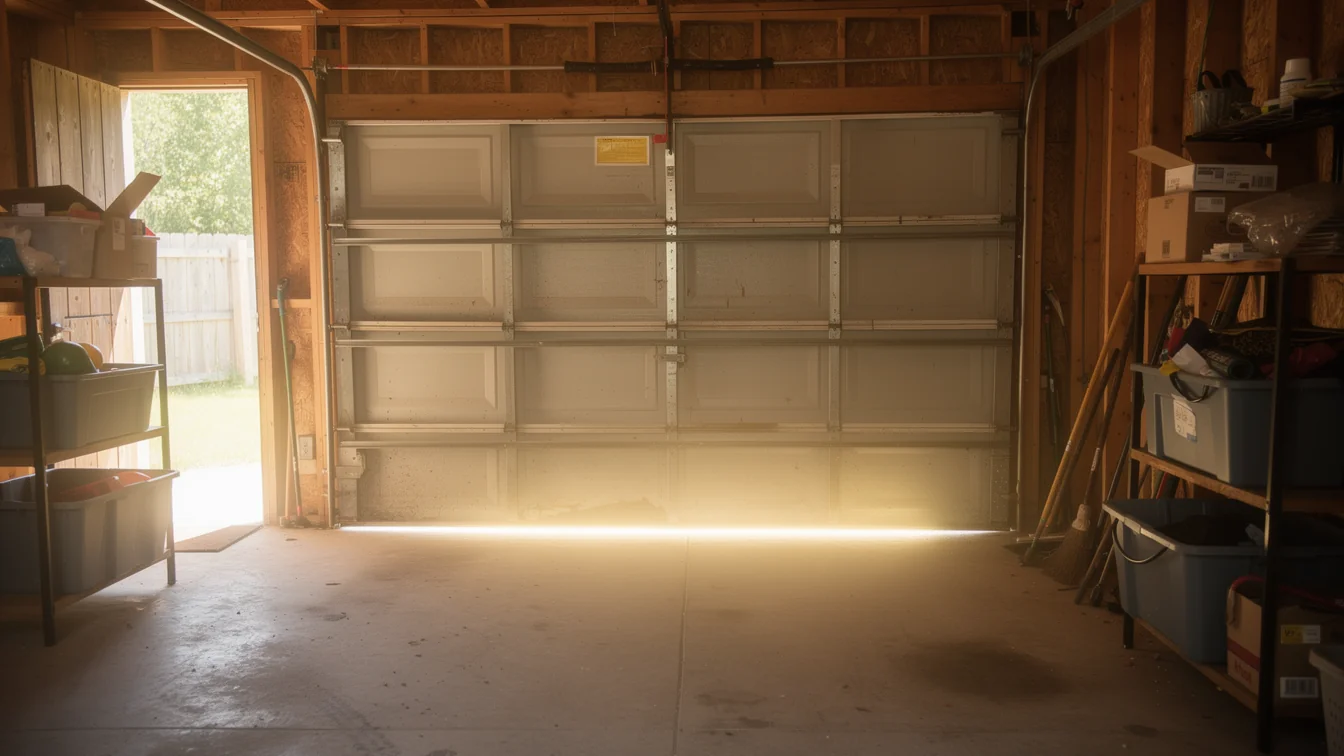
Local detail
The Situation
Most houses in Redlands and the surrounding named areas - from Downtown Redlands to South Redlands and North Redlands - went up between 1958 and 1999, with the median build year sitting at 1981. That one fact explains more service calls than anything else. A door and opener installed or replaced in the 1980s or 90s is now old enough that the original springs, if they're still on there, are well past a normal cycle count, and the steel sections on doors from that era were built thinner and with less insulation than what's sold today.
Across the 24 named areas that make up this part of the Inland Empire, the stock is consistently 1980s-to-90s construction, not a mix of eras like you'd see in an older coastal city or a brand-new master-planned community. That consistency matters: it means the same garage, same header clearance, same track spacing, and often the same builder-grade hardware shows up house after house. When we talk about "doors on houses built before insulation rules," we're talking about a large share of the homes on your block, not a rare exception.
The practical result is that a lot of Redlands garages are running original or first-replacement doors that were never designed for the heat loads the region sees now, on openers that are aging out of their safe service life.
The area
What Local Conditions Do
Redlands sits in a severe heat climate band, and that heat does specific damage to a garage door system that cold or mild climates don't produce. Steel panels expand during the day and contract overnight, and on an uninsulated or thin-skin door from the 1980s-90s building wave, that daily cycle works the seams and the panel-to-panel hinges harder than it would on a modern insulated door.
Heat also goes after the stuff you don't see from the driveway. Nylon rollers get brittle and start cracking at the edges. Lubricant on the torsion spring and the track dries out faster, so the spring runs drier and wears quicker than the manufacturer's cycle rating assumes. Opener logic boards and sensors, especially units from houses built in the 1981 median range, sit in garages that routinely run far hotter than the rest of the house, and that heat shortens the life of the circuit board.
None of this is dramatic - it's not a single storm event wrecking a door. It's a slow, cumulative load that shows up as a spring that finally lets go on a 105-degree afternoon, or an opener that starts working intermittently right when you need it most. Age of the house plus the heat band together, not either one alone, is what drives the failure pattern here.
What we find
Checking It Yourself
Walk out to the garage and look at the door from the side when it's halfway up. On a lot of the 1980s-90s builds around Redlands, the torsion spring sits on a header bracket above the door - look for a spring with a visible gap in a coil, or one that looks stretched compared to its neighbor coils. That gap is a spring close to the end of its life, and heat-cycled springs in this area tend to go without much warning.
Next, check the rollers at the bottom corners of the bottom panel, where they're easiest to see. If they're cracked, chipped, or the roller has worn down to a smaller diameter than the others, that's sun and heat damage, not just age by itself.
Finally, unplug the opener and lift the door by hand to the halfway point. It should hold its position on its own. If it drops or shoots up, the spring tension is off, and that's not a DIY adjustment - a torsion spring under tension can cause serious injury. This check only tells you something's wrong; it doesn't tell you which part to touch next, and that's the line where we'd rather you call.
How we work
Where People Go Wrong
The most common mistake we see on these older Redlands doors is replacing a single broken part, usually the spring or the opener, and leaving the rest of a thirty-plus-year-old system in place. A new spring on a door with worn-out rollers and a dried-out track just moves the next failure down the road a few months instead of fixing the underlying problem, which is a door system that's aged out as a whole.
The other mistake is assuming a quiet opener motor means the opener is fine. Heat shortens the life of the logic board well before the motor itself gives out, so a board failure can happen on an opener that still sounds normal right up until it stops responding.
We'll say plainly where the limitation is: if your door and opener both date to that 1958-1999 build window and multiple components are showing wear at once, patch repair usually costs you nearly as much as replacement within a year or two, and we'll tell you that instead of running the meter on spot fixes. Sometimes the honest answer is that it's not worth saving.
Questions
Common questions
Why do garage door springs seem to break more in Redlands in the summer?
Severe heat here dries out spring lubricant and pushes the metal through daily expansion and contraction cycles faster than a mild climate would. A spring already near the end of its rated cycles tends to let go on hot afternoons rather than on a random day.
My house was built in the 1980s - does that affect my garage door?
It can. Most Redlands-area homes date to the 1958-1999 range, median 1981, and doors or openers from that era were built thinner and less insulated than current products. Combined with decades of heat exposure, that often means several components are wearing out around the same time.
Is it worth repairing an old door instead of replacing it?
Sometimes, but not always. If just one part has failed on an otherwise sound door, a repair makes sense. If several parts - spring, rollers, opener board - are all showing age at once, patch repairs often add up to nearly what replacement costs within a year or two.
Recommendation
You Might Also Like
More garage door guides for Redlands homeowners.
Why a Garage Door Goes Off Track
Redlands homes built mostly between 1958 and 1999 see tracks warp under severe summer heat.
 What That Garage Door Noise Is Actually Telling You
Redlands homes built 1958-1999 run original hardware into extreme summer heat.
 What We Actually Check on a Redlands Service Call
A breakdown of what a Redlands garage door service call actually checks, tied to this area's 1958-1999 housing stock and severe heat exposure.
Ready when you are
Need a garage door sorted in Redlands?
Redlands Garage Door Pros repairs and installs garage doors, springs and openers in Redlands, CA and the surrounding area.