
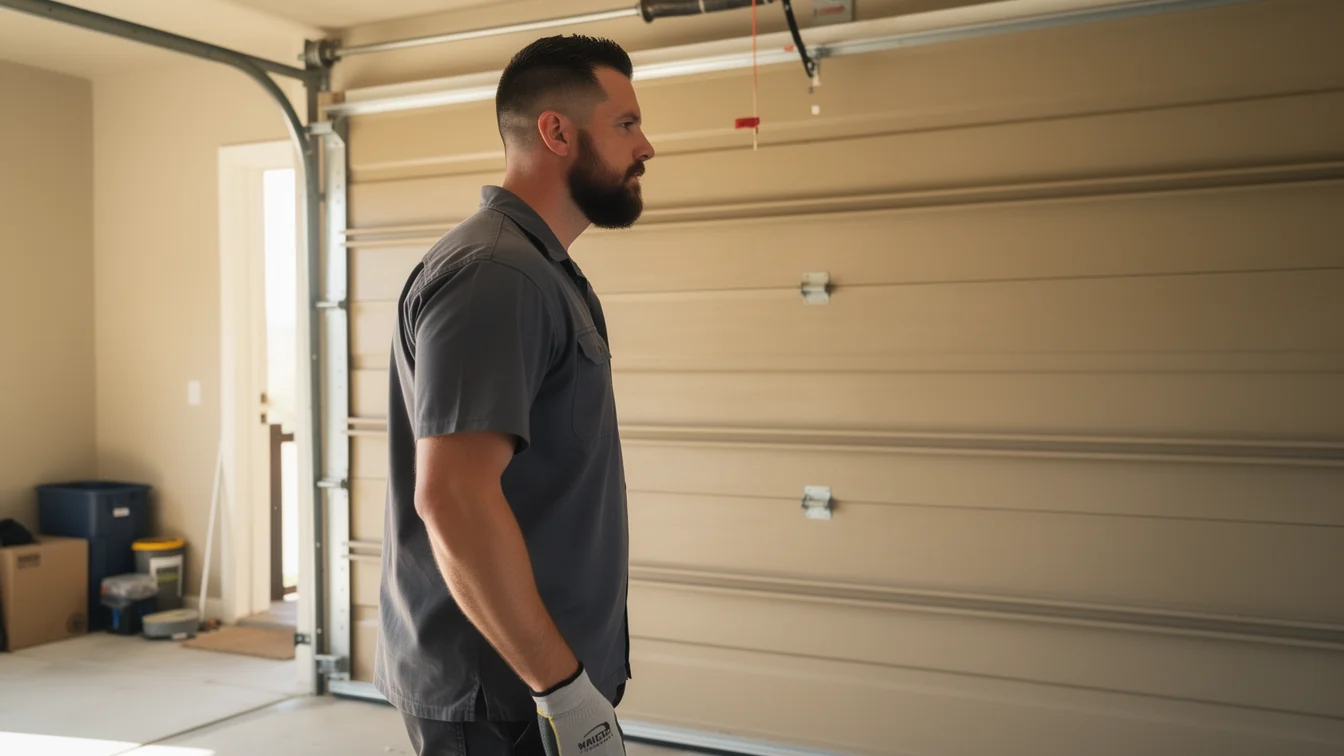
 What That Garage Door Noise Is Actually Telling You
Redlands homes built 1958-1999 run original hardware into extreme summer heat.
What an Older Door Is Worth Fixing in Redlands
Redlands homes mostly date 1958-1999, so original hardware is 25-65 years old. Here's how to tell if your door's worth repairing or if it's time to replace.
Local detail
The Situation
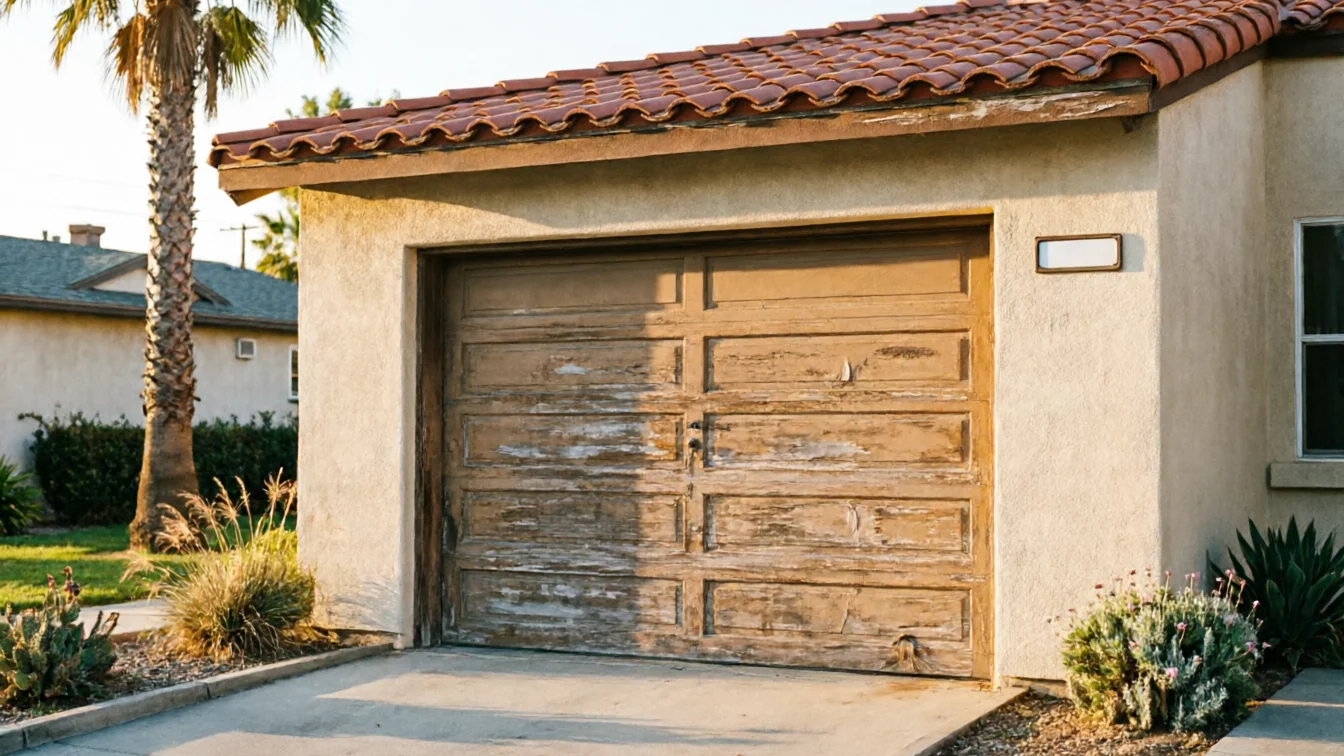
Most houses around Redlands went up between 1958 and 1999, with the median landing around 1981. That means a huge share of the doors we get called on aren't the original door anymore - they're a second or even third door, installed sometime after the first one wore out. But the opener, the track, and the hardware behind the door often don't get swapped at the same time. We'll pull up to a house built in the early '80s and find a door from the 2000s bolted onto torsion hardware that's never been touched since the house was framed.
That gap matters when you're deciding whether to fix or replace. A spring or a set of rollers on 40-year-old hardware isn't the same job as the same part on a five-year-old door. The mounting points shift, the track alignment drifts, and sometimes the header above the door has settled enough that a new panel won't sit square without extra work. Across the 24 named areas we work in - Redlands itself plus the surrounding communities like Mentone, Highland, and Loma Linda - the housing age runs similar enough that this isn't a one-off problem. It's the baseline.
The area
What Local Conditions Do
This area sits in a severe-heat climate band, and that changes what breaks first on an older door. Steel panels expand and contract through big daily swings, especially on south- and west-facing garages that take direct sun most of the afternoon. Over years, that cycle works on the seams, the weatherstripping, and the lubrication in the torsion spring's coil. Grease that was fine in 1990 turns gummy or dries out faster here than it would in a milder climate, which is a big reason springs on older Redlands doors tend to bind before they finally snap rather than failing cleanly.
Nylon rollers also take a beating. Heat softens them slightly during the day, and repeated softening-and-hardening cycles make them crack years before they would in a cooler area. If your door is from the 1980s or 90s stock that's common here, and you're hearing a scraping or thudding sound more in the afternoon than the morning, that's heat-driven wear talking, not just age.
What we find
Checking It Yourself
Before you call anyone, look at three things. First, the spring: if it's rusted, has a visible gap in a coil, or the door feels noticeably heavier to lift by hand than it used to, that spring is near the end regardless of what the opener motor is doing. Second, the track: stand to the side and watch the rollers travel as someone else opens the door. Wobble or a roller that jumps the track points to bent rail, not just a worn part. Third, the panels themselves: press on the bottom panel near the weatherstrip. If it flexes or feels soft, moisture has gotten into the steel skin over the years, which is common on doors from the 1980s stock that never got the foam-insulated, sealed construction used in newer builds.
None of these checks require tools. They just tell you which category you're in - a hardware problem on an otherwise sound door, or a door that's failing at the panel level, which is a different conversation.
How we work
Where People Go Wrong
The most common mistake we see is replacing a spring or a roller set on a door that's already had two or three rounds of repair since the house was built in the '58-'99 window. At some point the labor and parts on a third repair start running close to half of what a new door costs, and that's the point where fixing it stops making sense - we'll tell you that straight if we see it, even though a repair call pays us that day and a referral to replace doesn't always.
The other mistake is assuming all doors in an older Redlands neighborhood need the same fix. A house near Downtown Redlands with original 1981-era hardware behaves differently than one in North Redlands with a door swapped in 2015. We don't guess based on the block - we look at the actual door, the actual spring gauge, and the actual track condition before we tell you what it needs. One honest limit: if the opener's circuit board has failed rather than the mechanical parts, that's often a faster call to the opener's manufacturer for a warranty part than it is for us to source a board blind.
Questions
Common questions
How old does a garage door have to be before replacing beats repairing it?
There's no fixed age, but once a door has needed two or three separate repairs, the math usually favors replacement. On a house built in the 1958-1999 range common around Redlands, we often find the spring and rollers have already been swapped once - at that point, a third repair close to half the price of a new door isn't a good trade.
Why do springs seem to fail faster here than people expect?
The severe-heat climate band this area sits in puts a lot of daily expansion and contraction stress on torsion springs, especially on doors facing full afternoon sun. That cycle dries out lubrication and works at the coil faster than it would in a milder climate, so springs on older Redlands doors often bind before they finally break.
Can I tell if my door's panels are failing without opening it up?
Press on the bottom panel near the weatherstrip. If it flexes or feels soft, moisture has likely worked into the steel skin over the years - common on 1980s-90s stock doors that predate sealed, foam-insulated construction. That's a panel-level problem, not something a spring or roller fix will solve.
Recommendation
You Might Also Like
More garage door guides for Redlands homeowners.
What That Garage Door Noise Is Actually Telling You
Redlands homes built 1958-1999 run original hardware into extreme summer heat.
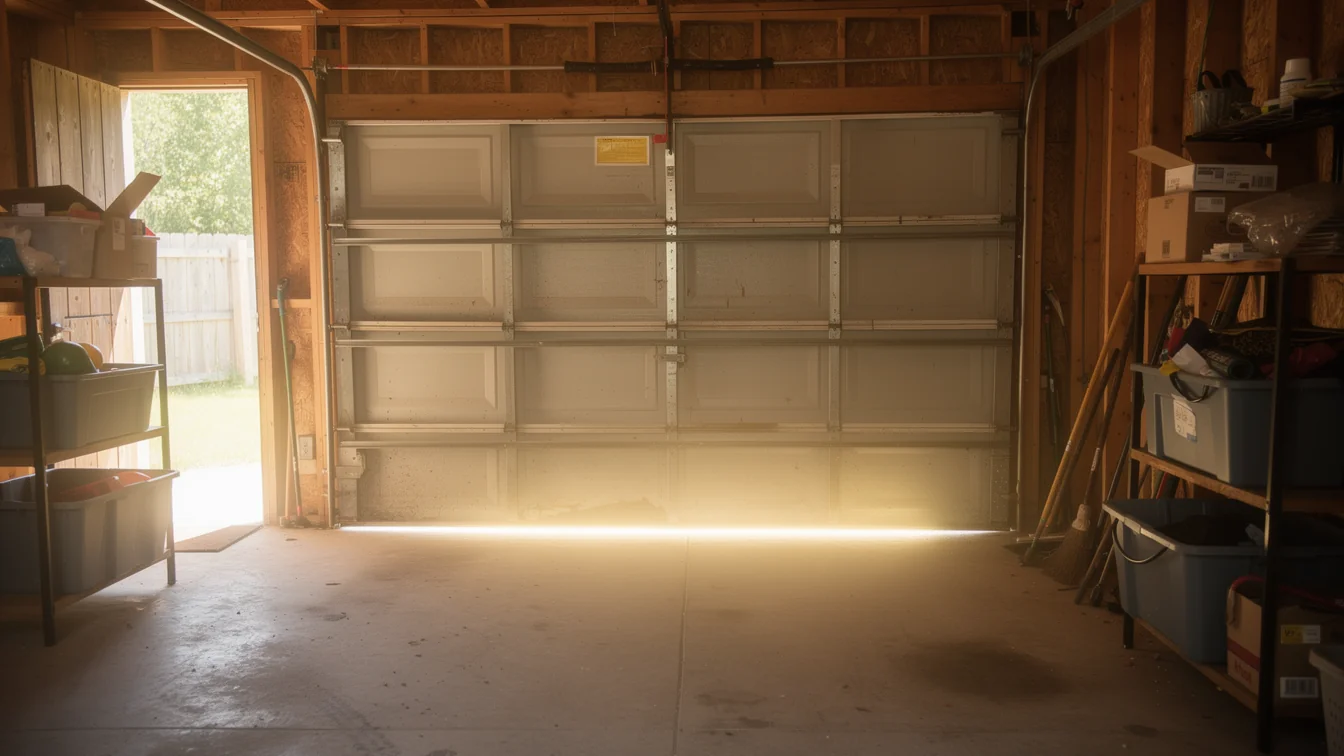 Why Redlands Garage Doors Fail the Way They Do
Redlands' housing stock dates mostly to 1958-1999, median 1981, and summer heat here is severe.
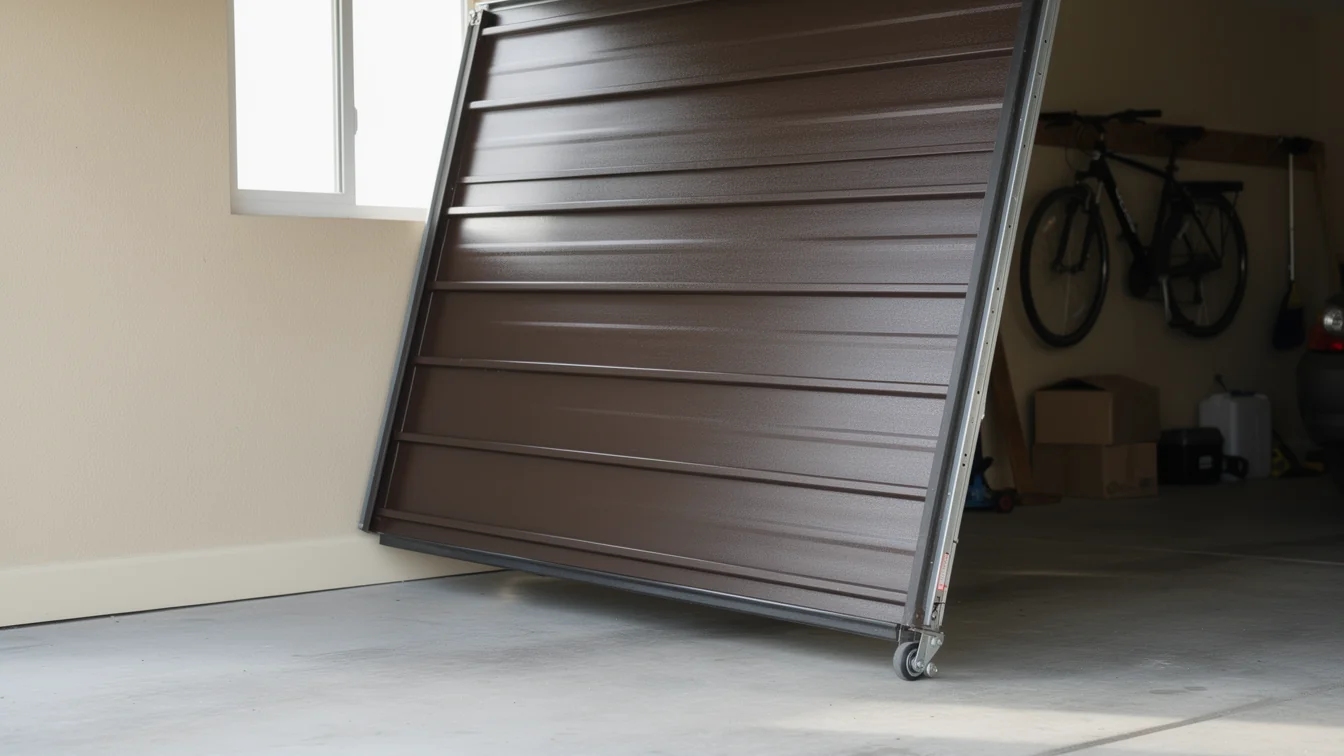 Why a Garage Door Goes Off Track
Redlands homes built mostly between 1958 and 1999 see tracks warp under severe summer heat.
Ready when you are
Need a garage door sorted in Redlands?
Redlands Garage Door Pros repairs and installs garage doors, springs and openers in Redlands, CA and the surrounding area.